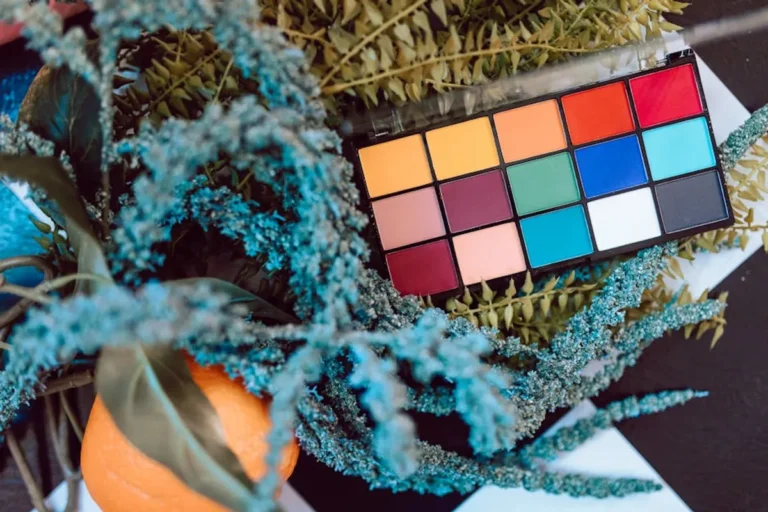

An organized makeup collection streamlines your daily routine, extends product longevity, and maintains hygiene. Without a clear system, products can expire unnoticed, become contaminated, or simply get lost, leading to wasted time and money. Establishing an effective storage strategy begins with understanding your current inventory and identifying practical solutions that fit both your space and your usage habits.
Assessing Your Current Collection and Space
Inventory and Decluttering Strategy
Before investing in any storage solutions, a thorough inventory and decluttering process is essential. Begin by emptying all makeup from its current location onto a clean, flat surface. This provides a complete visual overview of your collection. Categorize items by type: foundations, concealers, powders, blushes, eyeshadows, mascaras, eyeliners, lipsticks, glosses, and tools. As you categorize, evaluate each item for its expiration date, usage frequency, and condition.
Discard items that are:
- Past their recommended shelf life (e.g., mascara typically 3-6 months, liquid foundation 6-12 months).
- Showing signs of spoilage, such as changes in texture, color, or smell.
- Unused for six months or longer, particularly if they are not special occasion items.
- Duplicates or products that do not perform as desired.
This initial purge reduces clutter and clarifies exactly what needs to be stored, preventing the purchase of unnecessary organizers.
Evaluating Your Storage Zones
Consider the physical spaces available for makeup storage. Common areas include bathroom countertops, vanity drawers, dresser tops, or dedicated makeup desks. Analyze the dimensions and characteristics of each zone. For instance, a bathroom counter might require water-resistant, enclosed storage for hygiene, while a vanity drawer benefits from custom inserts to prevent items from shifting. Assess both horizontal and vertical space, noting any existing shelves, drawers, or wall areas that could be utilized. Understanding these constraints and opportunities directs your choice of storage solutions.
Essential Principles of Effective Makeup Organization
Categorization for Accessibility
Effective organization hinges on logical categorization. Grouping similar products together ensures you can locate items quickly. Common categorization methods include:
- By Product Type: All foundations together, all lipsticks together. This is ideal for larger collections.
- By Frequency of Use: Daily essentials (e.g., tinted moisturizer, mascara, everyday lipstick) in the most accessible spot, while special occasion items (e.g., glitter eyeshadows, bold lip colors) can be stored slightly less accessibly.
- By Routine Step: Face products, then eye products, then lip products. This mimics application order.
Choose the method that best aligns with your personal routine and makes the most sense for your collection size.
Prioritizing Hygiene and Product Preservation
Makeup storage extends beyond aesthetics; it directly impacts product hygiene and longevity. Store products away from direct sunlight and excessive heat, which can degrade formulations and accelerate expiration. For items stored in bathrooms, consider enclosed containers to protect against humidity and airborne particles. Ensure all containers and tools are clean before storage, and regularly clean your storage solutions themselves to prevent dust and bacteria buildup.
Maximizing Vertical and Drawer Space
In limited spaces, vertical organization is crucial. Stacking clear drawers, tiered shelves, or using wall-mounted solutions can double or triple your storage capacity without expanding your footprint. For drawers, custom inserts or adjustable dividers prevent items from rolling around and becoming disorganized. Measure your drawer depths and widths accurately to select inserts that fit snugly, maximizing every inch of space.
Selecting the Right Storage Solutions
Clear Acrylic Organizers and Dividers
Clear acrylic organizers are a popular choice due to their transparency, which allows for quick visual identification of products. They are also non-porous and easy to wipe clean. Options range from multi-drawer units for smaller items like lipsticks and single eyeshadows, to tiered stands for nail polish or larger palettes. Acrylic dividers can be placed within drawers to create custom compartments for specific product sizes, preventing items from mixing.
Drawer Inserts and Modular Systems
For vanity or dresser drawers, modular drawer inserts offer flexibility. These often come in various sizes and shapes, allowing you to configure compartments to fit different product types and drawer dimensions. Materials like silicone or bamboo are common; silicone provides grip to prevent items from sliding, while bamboo offers a natural aesthetic and durability. Look for systems that can be reconfigured as your collection evolves.
Wall-Mounted Shelving and Magnetic Boards
When counter or drawer space is scarce, wall-mounted solutions provide an alternative. Small floating shelves can display frequently used items or aesthetically pleasing products. Magnetic boards, often used with small magnetic containers or by attaching magnets to the back of lightweight products, are effective for organizing single eyeshadows, small tools, or even bobby pins, keeping them visible and off surfaces.
Travel-Friendly and Portable Options
For those who travel frequently or prefer to move their makeup between rooms, portable storage is key. Makeup cases with adjustable compartments, train cases, or soft-sided bags with built-in dividers keep products secure and organized on the go. These often feature durable exteriors and wipeable interiors for easy maintenance.
Pro Tip: When choosing storage materials, prioritize ease of cleaning. Acrylic, silicone, and smooth plastics are generally simpler to wipe down than porous materials like fabric or unsealed wood, which can absorb spills and harbor dust, compromising hygiene.
Implementing Your New Organization System
With your collection decluttered and storage solutions acquired, begin the organization process. Start with your most frequently used items, placing them in the most accessible locations. Then, integrate less-used items into secondary storage. Arrange products logically within each organizer or drawer, using your chosen categorization method. For example, if organizing by product type, ensure all lipsticks are together in a dedicated section, perhaps sorted by color family. Take advantage of clear containers to see everything at a glance, and use labels for opaque containers or drawers to quickly identify contents.
Maintaining Your Organized Makeup Space
An organized system requires ongoing maintenance to remain effective. Dedicate a few minutes each week to tidying your makeup area, returning items to their designated spots after use. Perform a deeper clean monthly, wiping down organizers and checking for any expired or unused products that may have accumulated. This regular upkeep prevents clutter from re-establishing itself and ensures your makeup remains accessible and hygienic.
Frequently Asked Questions
How often should I declutter my makeup collection?
A thorough decluttering should occur at least every six months to a year, with smaller purges of expired or unused items as needed. This prevents product buildup and ensures hygiene.
What if I have very limited space for makeup storage?
Focus on vertical storage solutions like stackable drawers, tiered organizers, or wall-mounted shelves. Utilize multi-functional furniture, such as an ottoman with storage, or slim drawer carts that fit into narrow spaces.
What's the best way to store makeup brushes?
Store brushes upright in open containers or brush holders, bristles-up, to allow air circulation and prevent damage to the brush heads. For travel, use brush rolls or cases with individual slots to protect bristles.
Should I store makeup in the bathroom?
While convenient, bathrooms can be humid and experience temperature fluctuations, which can degrade makeup. If storing in a bathroom, use enclosed, airtight containers to protect products from moisture and heat.