Achieving healthy-looking hair is less about a single miraculous product and more about a consistent, informed approach to care. Many individuals invest in numerous products without understanding their hair's fundamental needs, leading to suboptimal results, product fatigue, and unnecessary expense. This guide outlines actionable haircare tips, focusing on practices and principles that contribute to long-term hair vitality and appearance, rather than temporary fixes. The objective is to equip you with the knowledge to make deliberate choices that support hair health from the root to the tip, ensuring your efforts translate into tangible improvements.
What to Look For in Haircare Tips
Effective haircare begins with a clear understanding of your hair's unique characteristics and the environmental factors it faces. When evaluating any haircare advice, prioritize tips that emphasize personalization, address underlying issues, and promote sustainability in practice. Look for guidance that encourages you to:
- Assess Your Hair and Scalp Type: Tips should help you identify if your hair is fine, thick, oily, dry, color-treated, or prone to breakage, and if your scalp is oily, dry, sensitive, or balanced. This informs product selection and routine adjustments.
- Understand Ingredient Functions: Opt for advice that explains why certain ingredients are beneficial or detrimental. Knowing the role of sulfates, silicones, parabens, humectants, proteins, and emollients allows for more informed product choices.
- Prioritize Gentle Practices: Harsh treatments, excessive heat, and aggressive styling can compromise hair integrity. Seek tips that advocate for minimal damage, protection, and gentle handling.
- Focus on Scalp Health: A healthy scalp is the foundation for healthy hair growth. Tips should include practices that maintain scalp hygiene and balance, addressing issues like dryness, oiliness, or irritation.
- Consider Environmental Factors: Protection from UV radiation, pollution, chlorine, and hard water is crucial. Look for tips that offer strategies to mitigate these external stressors.
- Emphasize Consistency Over Intensity: Sustainable results come from regular, appropriate care, not infrequent, aggressive treatments. Tips should promote routines that are manageable and consistent.
1. Understand Your Hair Type and Texture
Accurately identifying your hair's specific characteristics—such as fine, medium, coarse; straight, wavy, curly, coily; oily, normal, dry; color-treated, chemically processed—is the foundational step for any effective haircare regimen. Products and techniques designed for one hair type can be ineffective or even damaging to another. For instance, a heavy moisturizing cream suitable for coily hair might weigh down fine, straight hair, making it appear greasy, while a volumizing shampoo for fine hair might strip natural oils from dry, curly hair. This initial assessment dictates appropriate product selection, styling methods, and treatment frequency, directly impacting hair health and appearance.
Best for: Individuals new to structured haircare routines, those experiencing persistent hair issues despite using various products, or anyone looking to optimize their existing routine.
Pros: Optimizes product efficacy by aligning solutions with specific needs; reduces wasted expenditure on unsuitable products; prevents potential damage from incorrect treatments; clarifies specific concerns like hydration, volume, or frizz control.
Cons: Requires initial research and self-assessment, which can be subjective; hair type can change due to age, hormones, or environmental shifts, necessitating periodic re-evaluation.
Verdict: A non-negotiable first step that informs all subsequent haircare decisions, directly impacting product investment efficiency and the attainment of healthy-looking hair. Without this, efforts are often misdirected.
2. Gentle Cleansing Practices
The method and frequency of washing significantly impact hair and scalp health. Over-washing can strip the scalp of natural oils, leading to dryness or, conversely, increased oil production as the scalp attempts to compensate. Using harsh shampoos containing strong sulfates can exacerbate these issues, causing dryness, frizz, and color fade. Gentle cleansing involves selecting sulfate-free or low-sulfate shampoos, focusing application primarily on the scalp, and allowing the lather to run down the strands without aggressive scrubbing. The frequency should align with your hair's oil production and lifestyle, typically every 2-3 days for most, but varying for very oily or very dry types.
Best for: All hair types, particularly those prone to dryness, frizz, color fading, or scalp irritation.
Pros: Preserves natural scalp oils; reduces dryness and irritation; extends color vibrancy; minimizes hair breakage during washing; promotes a healthier scalp microbiome.
Cons: May require an adjustment period for the scalp to regulate oil production; some sulfate-free shampoos may produce less lather, which can feel less "clean" to those accustomed to traditional formulas.
Verdict: Essential for maintaining the hair's natural moisture balance and integrity. Adopting gentle cleansing prevents common issues that compromise hair health and appearance, making it a cornerstone of effective care.
3. Prioritize Scalp Health
The scalp is the living foundation from which hair grows; its health directly influences hair quality, growth rate, and overall appearance. Issues like dryness, excessive oiliness, dandruff, or product buildup can impede healthy hair growth and lead to problems like thinning or breakage. Incorporating regular scalp care, such as gentle exfoliation (physical or chemical), nourishing treatments, and targeted serums, can address these concerns. Massaging the scalp during shampooing can also stimulate blood flow, which is beneficial for follicle health. Selecting products specifically formulated for scalp concerns, rather than just hair strands, is crucial.
Best for: Individuals experiencing dandruff, itchiness, excessive oiliness, dryness, or slow hair growth; anyone looking to optimize hair growth and vitality.
Pros: Fosters a healthy environment for hair growth; reduces issues like flakiness, irritation, and excessive oil; can improve hair density and strength over time; enhances the efficacy of hair growth treatments.
Cons: May require additional product investment and dedicated time in the routine; some scalp treatments can be potent and require patch testing to avoid irritation.
Verdict: A critical, often overlooked aspect of haircare. Addressing scalp health directly tackles the root cause of many hair problems, leading to stronger, healthier hair from the start.
4. Condition Regularly and Correctly
Conditioning is vital for replenishing moisture, smoothing the hair cuticle, and improving manageability after shampooing. Shampooing, even gently, can lift the hair cuticle, making strands vulnerable to damage and moisture loss. Conditioners work by sealing the cuticle, reducing friction, and providing a protective layer. The correct application involves focusing the product from the mid-lengths to the ends, where hair is older and more prone to dryness and damage, avoiding direct application to the scalp unless specified for a particular scalp condition. Leaving the conditioner on for the recommended duration allows active ingredients to penetrate effectively.
Best for: All hair types, especially dry, damaged, color-treated, or long hair prone to tangles and breakage.
Pros: Improves hair hydration and elasticity; reduces frizz and static; enhances shine and softness; makes detangling easier, minimizing breakage; protects against environmental damage.
Cons: Over-conditioning or applying too close to the scalp can weigh down fine hair or lead to greasiness; using the wrong type of conditioner for your hair can be ineffective.
Verdict: An indispensable step for maintaining hair's structural integrity and aesthetic appeal. Proper conditioning directly contributes to resilience, shine, and overall healthy appearance, mitigating the effects of cleansing.
5. Incorporate Hair Masks and Treatments
While daily conditioners offer surface-level benefits, hair masks and deep conditioning treatments provide a more intensive dose of nutrients, moisture, and repair agents. These formulations typically contain higher concentrations of active ingredients—such as proteins, ceramides, natural oils, and humectants—designed to penetrate deeper into the hair shaft, offering significant repair, hydration, or strengthening benefits. Regular use (typically once a week or bi-weekly) can address specific concerns like extreme dryness, damage from chemical processes, or lack of elasticity, offering a targeted boost that daily products cannot always provide.
Best for: Dry, damaged, brittle, color-treated, or chemically processed hair; individuals seeking to improve hair strength, elasticity, and overall health.
Pros: Delivers concentrated nourishment and repair; significantly improves hair texture, shine, and softness; helps restore elasticity and reduce breakage; can extend the life of color treatments.
Cons: Can be time-consuming to apply and leave on; overuse or using a mask too heavy for your hair type can lead to product buildup or limp hair; requires understanding ingredients to choose the right mask.
Verdict: A powerful tool for targeted hair rejuvenation and maintenance. Strategic incorporation of masks addresses specific deficiencies, elevating hair health beyond what daily care alone can achieve.
6. Minimize Heat Styling
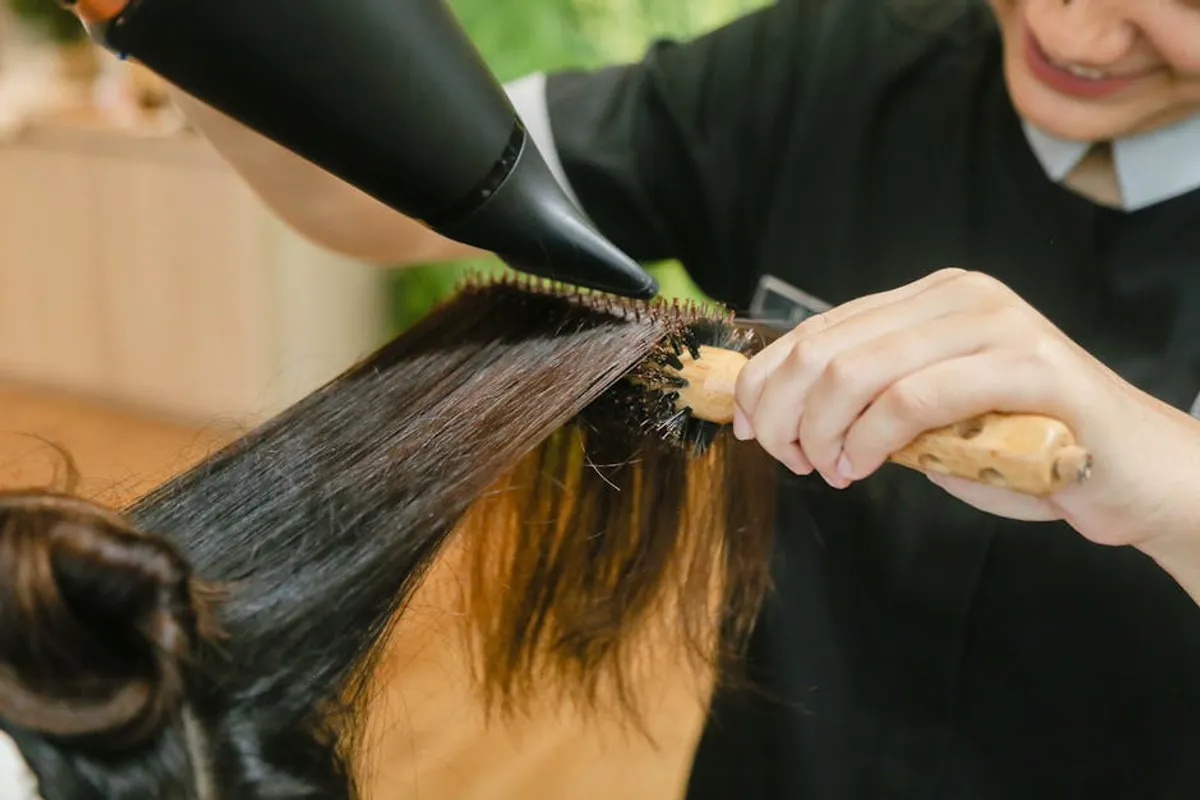
Frequent exposure to high heat from styling tools—such as flat irons, curling irons, and even blow dryers—can cause significant damage to the hair's outer cuticle and inner protein structure. This leads to dryness, brittleness, split ends, and dullness, compromising the hair's overall health and appearance. Minimizing heat styling involves reducing frequency, using the lowest effective temperature setting, and always applying a heat protectant spray beforehand. Heat protectants create a barrier that distributes heat more evenly and reduces direct thermal impact, though they do not entirely eliminate damage. Air-drying when possible is the ideal alternative.
Best for: All hair types, especially fine, damaged, color-treated, or naturally dry hair that is more susceptible to heat damage.
Pros: Prevents cuticle damage and protein denaturing; reduces split ends and breakage; maintains hair's natural moisture balance; preserves color vibrancy; improves long-term hair strength and elasticity.
Cons: May require adjusting styling routines and techniques; some styles are difficult to achieve without heat; air-drying can take longer and may not suit all hair types or schedules.
Verdict: A critical preventative measure against one of the most common causes of hair damage. Reducing heat exposure is fundamental to maintaining hair integrity and fostering long-term health and shine.
7. Protect Hair from Environmental Damage
Hair is constantly exposed to environmental stressors that can degrade its quality. UV radiation from the sun can break down hair proteins and pigments, leading to dryness, brittleness, and color fade. Pollution can deposit particulate matter on hair, making it dull and heavy, while chlorine in swimming pools and saltwater can strip natural oils and cause dryness or discoloration. Protecting hair involves using UV-protective sprays or wearing hats when outdoors, rinsing hair with fresh water before swimming to minimize chlorine absorption, and using leave-in conditioners or protective oils to create a barrier against pollutants and moisture loss. These measures are preventative, reducing the need for intensive repair later.
Best for: Individuals with color-treated hair, those spending significant time outdoors, swimmers, or people living in urban environments with high pollution levels.
Pros: Preserves hair color and vibrancy; prevents dryness and brittleness caused by sun exposure; reduces damage from chlorine and saltwater; maintains hair's natural luster and strength.
Cons: Requires consistent effort and product application; hats or scarves may not always be practical or desired; finding effective, non-greasy protective products can require trial and error.
Verdict: Essential for safeguarding hair against external aggressors. Proactive environmental protection significantly extends hair health and appearance, preventing premature aging and damage.
8. Nutritional Support for Hair Health
Hair is a non-essential tissue, meaning the body prioritizes vital organs for nutrient distribution. Consequently, a diet lacking essential vitamins, minerals, and proteins will often manifest in dull, weak, or thinning hair. Key nutrients for hair health include protein (for keratin production), iron (for oxygen transport to follicles), zinc (for cell growth and repair), biotin (for keratin structure), and vitamins A, C, E, and D (for antioxidant protection and overall follicle health). Ensuring a balanced diet rich in these components, or considering targeted supplements under professional guidance, provides the internal building blocks necessary for strong, vibrant hair growth.
Best for: Individuals experiencing hair thinning, slow growth, excessive shedding, or lack of luster; anyone looking to support overall hair vitality from within.
Pros: Addresses hair health at a systemic level; can improve hair strength, thickness, and growth rate; contributes to overall bodily health; results in more resilient hair that is less prone to damage.
Cons: Results are not immediate and require consistent dietary changes or supplementation over several months; supplements should be chosen carefully and ideally with professional advice to avoid imbalances.
Verdict: A fundamental, often underestimated, factor in achieving healthy-looking hair. External treatments can only do so much if the internal supply of nutrients is insufficient, making nutrition a critical long-term strategy.
9. Regular Trims to Prevent Split Ends
Split ends occur when the hair shaft's protective outer layer (cuticle) becomes damaged and frays, typically at the ends where hair is oldest and most exposed to wear and tear. Once a hair strand splits, it cannot be repaired; the split will continue to travel up the hair shaft, leading to further damage, breakage, and a rough, unhealthy appearance. Regular trims, typically every 6-12 weeks depending on hair growth and damage levels, remove these compromised ends before the damage can progress. This practice maintains hair's overall health, promotes a neater appearance, and can indirectly make hair *feel* thicker by removing thin, frayed ends.
Best for: All hair types, especially long hair, chemically treated hair, or hair prone to dryness and damage.
Pros: Eliminates existing split ends and prevents further damage; maintains hair's shape and style; promotes a smoother, healthier appearance; can make hair feel fuller by removing tapered, damaged ends.
Cons: Requires consistent salon visits, incurring cost and time; may feel counterintuitive for those trying to grow their hair long, though it ultimately supports healthier length retention.
Verdict: A non-negotiable maintenance step for preserving hair integrity and appearance. Trimming is the only effective solution for split ends and is crucial for promoting healthy growth and preventing extensive damage.
10. Choose the Right Hair Tools
The tools used for daily hair care, from brushes to hair ties, significantly impact hair health. Aggressive brushing with plastic bristles can cause friction and breakage, especially on wet hair. Metal combs can be harsh, and tight elastic hair ties can create tension and snap strands. Opting for wide-tooth combs for detangling wet hair, boar bristle or mixed-bristle brushes for dry styling (which distribute natural oils), and silk scrunchies or soft fabric ties can drastically reduce mechanical damage. Investing in high-quality tools designed to minimize friction and snagging is a preventative measure against breakage and cuticle damage.
Best for: All hair types, particularly fine, fragile, curly, or easily tangled hair.
Pros: Minimizes mechanical damage, breakage, and split ends; reduces frizz caused by friction; promotes gentler detangling; distributes natural oils for added shine; extends the life of hairstyles.
Cons: Quality tools can represent a higher initial investment; requires knowledge of which tools are best for specific hair types and tasks.
Verdict: Often underestimated, the right tools are crucial for minimizing daily wear and tear. Upgrading your haircare instruments is a simple yet effective way to protect hair integrity and maintain a healthy appearance.
11. Detangle Hair Carefully
Aggressive detangling is a primary cause of hair breakage, especially when hair is wet and most vulnerable. Wet hair is more elastic but also more prone to stretching and snapping. Proper detangling involves using a wide-tooth comb or a dedicated detangling brush, starting from the ends and working upwards towards the roots in small sections. Applying a leave-in conditioner or detangling spray beforehand can provide slip, making the process smoother and reducing friction. Never force a comb or brush through tangles; instead, gently work them out section by section. This meticulous approach preserves the hair shaft and prevents unnecessary damage.
Best for: All hair types, particularly long, curly, coily, fine, or easily tangled hair.
Pros: Significantly reduces hair breakage and shedding during styling; prevents the formation of larger, more stubborn knots; maintains hair length and density; minimizes pain and discomfort during brushing.
Cons: Requires patience and a dedicated approach, especially for very tangled hair; may add a few minutes to the post-wash routine.
Verdict: A fundamental technique for preserving hair integrity. Careful detangling is essential for preventing mechanical damage that leads to frizz, split ends, and overall unhealthy appearance, making it a critical daily practice.
12. Use Leave-In Products for Protection and Hydration
Leave-in conditioners, serums, and oils provide ongoing hydration, protection, and styling benefits that rinse-out products cannot. Applied to damp hair after washing, these products create a protective barrier against environmental aggressors (like UV and pollution), reduce frizz, add shine, and provide continuous moisture throughout the day. They also aid in detangling and can prime hair for styling. The type of leave-in product should be chosen based on hair type and concern: lighter sprays for fine hair, richer creams for dry or thick hair, and oils for added shine and frizz control. This continuous care layer is crucial for maintaining hair health between washes.
Best for: All hair types, especially dry, damaged, frizzy, or color-treated hair; individuals seeking extra protection against environmental factors or heat styling.
Pros: Provides continuous hydration and nourishment; offers a protective barrier against external damage; reduces frizz and enhances shine; improves manageability and styling ease; can extend the benefits of conditioning.
Cons: Overuse or using a product too heavy for your hair type can lead to greasiness or product buildup; requires experimentation to find the ideal product and application amount.
Verdict: An excellent supplemental step for daily hair maintenance. Leave-in products offer an additional layer of care that significantly contributes to hair's hydration, protection, and overall healthy-looking finish.
Choosing the Right Haircare Routine
Selecting the optimal haircare routine involves a personalized approach, integrating the tips above into a cohesive strategy. Start by accurately identifying your hair and scalp type, as this dictates product choices and routine frequency. Experiment with different product formulations (e.g., sulfate-free shampoos, protein-rich masks, lightweight oils) to see how your hair responds. Consistency is paramount; even the best products yield limited results if used sporadically. Observe your hair's response to changes in products, environment, and styling habits. A successful routine is dynamic, adapting to your hair's evolving needs, seasonal changes, and any new concerns that arise. Prioritize products with clear ingredient lists and avoid those with known irritants for your specific sensitivities. The goal is to build a sustainable routine that consistently supports hair health without overcomplicating the process.
FAQ
Q: How often should I wash my hair for optimal health?
A: The ideal frequency varies significantly based on hair type, oil production, and lifestyle. Oily hair may require washing every 1-2 days, while dry or curly hair might benefit from washing every 3-5 days, or even less frequently. Listen to your scalp and hair; if it feels greasy, heavy, or itchy, it's likely time to wash. If it feels dry or stripped, you might be washing too often.
Q: Can diet really impact hair health?
A: Absolutely. Hair is primarily made of protein (keratin), and its growth and strength depend on a consistent supply of essential nutrients. Deficiencies in protein, iron, zinc, biotin, and vitamins A, C, D, and E can lead to hair thinning, dullness, and breakage. A balanced diet rich in these nutrients is crucial for supporting healthy hair growth from within.
Q: Are expensive haircare products always better?
A: Not necessarily. While some high-end products contain advanced formulations or premium ingredients, effectiveness is more about suitability for your hair type and concerns than price. Many affordable options offer excellent results. Focus on ingredient lists, product claims, and user reviews that align with your specific hair needs rather than solely on brand prestige or cost.
Q: How can I prevent split ends without cutting my hair frequently?
A: While regular trims are the only way to remove existing split ends, you can prevent their formation by minimizing heat styling, using gentle detangling methods, protecting hair from environmental damage (sun, chlorine), and keeping hair well-hydrated with conditioners and leave-in treatments. Using silk pillowcases and soft hair ties can also reduce friction that leads to damage.
Q: What's the difference between a conditioner and a hair mask?
A: Conditioners are typically used after every shampoo to detangle, smooth the cuticle, and provide light hydration. They work primarily on the hair's surface. Hair masks (or deep conditioners) are more intensive treatments with higher concentrations of active ingredients designed to penetrate deeper into the hair shaft for significant repair, hydration, or strengthening. They are usually used once a week or bi-weekly for a more targeted boost.