
Building a foundational makeup kit requires a strategic approach, particularly for beginners navigating a vast market. The objective is to curate a collection of versatile, high-performing products that provide essential coverage, definition, and color without unnecessary expenditure or complexity. This guide focuses on identifying core items and application tools that offer maximum utility and ease of use, enabling confident application and skill development from the outset.
Core Essentials: The Foundation of Your Kit
Skin Preparation: Primer and Moisturizer
Effective makeup application begins with proper skin preparation. A suitable moisturizer creates a hydrated, smooth canvas, preventing makeup from settling into dry patches or emphasizing texture. Following with a primer extends makeup wear and refines skin appearance, blurring pores or controlling oil. Choosing non-comedogenic formulas is crucial to avoid skin congestion, ensuring that the base products adhere evenly and last longer.
Base Products: Foundation, Concealer, and Powder
These components are central to achieving an even skin tone and perfected complexion.
Foundation: Select a formula that offers light-to-medium coverage, allowing natural skin to show through while evening out discoloration. Shade matching is paramount; test shades directly on the jawline in natural light to ensure seamless blending with both face and neck. For beginners, liquid or cream formulas are often more forgiving and buildable.
Concealer: A concealer should match your foundation shade for spot correction or be one shade lighter for brightening under-eye areas. Its primary function is to neutralize dark circles and camouflage blemishes, providing targeted coverage where foundation alone may not suffice. Creamy, blendable formulas are recommended for ease of use and to prevent creasing.
Powder: Translucent setting powder is indispensable for locking liquid and cream products in place, reducing shine, and enhancing makeup longevity. A finely milled powder applied sparingly with a fluffy brush prevents a cakey finish, maintaining a natural skin texture.
Pro Tip for Shade Matching: Always test foundation and concealer shades on your jawline, not your hand or wrist. Observe the color under natural daylight. The correct shade will virtually disappear into your skin, indicating a seamless match that avoids a visible line between your face and neck.
Defining Features: Eyes and Brows
Eye Makeup: Mascara and Eyeliner
Eye makeup serves to enhance and define the eyes, contributing significantly to overall facial expression.
Mascara: A volumizing or lengthening mascara opens up the eyes, making them appear larger and more awake. Black or dark brown shades are universally flattering and provide immediate impact. Focus on even application from root to tip to avoid clumping.
Eyeliner: For beginners, a pencil or gel eyeliner offers greater control and a softer line compared to liquid formulas. A dark brown or black pencil can be used to subtly define the lash line, creating the illusion of fuller lashes without requiring advanced technique.
Brow Products: Pencil or Gel
Well-groomed brows frame the face and provide structure.
Brow Pencil: A fine-tipped brow pencil allows for precise, hair-like strokes to fill in sparse areas and define the brow shape. Choose a shade that closely matches your natural brow hair for the most natural-looking enhancement.
Brow Gel: A clear or tinted brow gel sets hairs in place, adding polish and holding the desired shape throughout the day. Tinted gels can also add a subtle amount of color and volume.
Adding Color and Dimension
Cheek Color: Blush
Blush revitalizes the complexion by adding a healthy flush of color, restoring dimension to the face after foundation application.
Formula and Shade: Cream blushes are often more forgiving for beginners, blending seamlessly into the skin for a natural, dewy finish. Powder blushes offer buildable color and longer wear. Opt for universally flattering shades like soft peach, rose, or muted berry, which mimic a natural flush.
Lip Products: Balm, Lipstick, or Gloss
Lip products complete the look, offering hydration and a touch of color.
Hydrating Lip Balm: A tinted lip balm provides moisture and a sheer wash of color, ideal for everyday wear and maintaining lip health.
Neutral Lipstick or Gloss: Select a lipstick or gloss in a "My Lips But Better" (MLBB) shade—a color that closely matches your natural lip tone but enhances it. These shades are versatile and suitable for any occasion, offering a polished finish without being overtly dramatic.
Essential Tools for Application
Brushes and Sponges
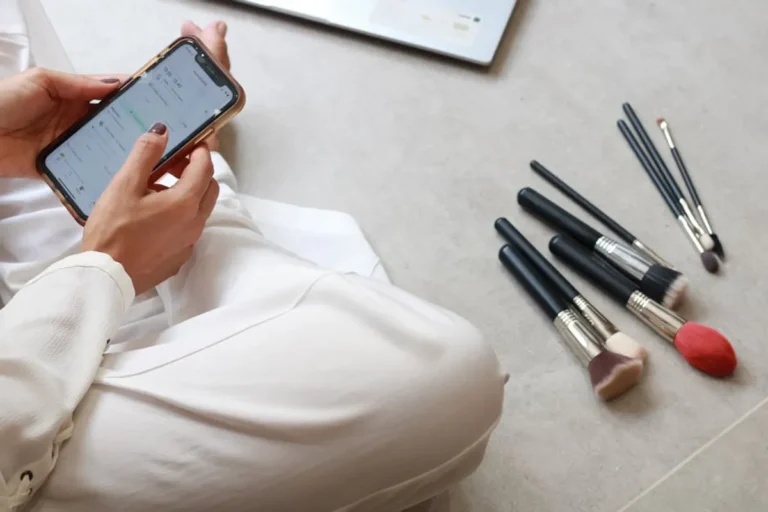
High-quality tools are critical for seamless product application, blending, and hygiene. Investing in a few versatile brushes is more beneficial than acquiring many specialized ones initially.
- Foundation Brush/Sponge: A flat-top kabuki brush or a damp makeup sponge provides even application of liquid and cream foundations, ensuring a smooth, streak-free finish.
- Powder Brush: A large, fluffy brush is ideal for dusting setting powder lightly across the face, preventing a heavy or cakey appearance.
- Blush Brush: A medium-sized, soft brush with a slightly tapered or angled head allows for precise placement and effortless blending of blush on the apples of the cheeks.
- Eyeshadow Blending Brush: A soft, fluffy brush is essential for diffusing eyeshadow colors and creating a seamless transition between shades.
Additional Accessories
These items support the application process and maintain product integrity.
Eyelash Curler: An eyelash curler lifts and curls lashes before mascara application, significantly opening up the eyes.
Makeup Remover/Cleanser: Essential for thoroughly removing makeup at the end of the day, preventing clogged pores and maintaining skin health.
Brush Cleaner: Regular cleaning of brushes extends their lifespan, prevents product buildup, and, most importantly, maintains hygiene to avoid skin breakouts.
Your First Steps to Confident Application
Building a beginner makeup kit is an iterative process focused on learning and adaptation. Start with the core essentials, prioritizing products that address your primary concerns (e.g., skin tone evening, eye definition). Practice application techniques consistently, paying attention to how products interact with your skin and how different tools affect the outcome. The goal is to develop a routine that feels comfortable, efficient, and delivers results that enhance your natural features without overwhelming your budget or your morning schedule. Focus on mastering foundational skills and understanding product functions before expanding your collection.
Frequently Asked Questions
What is the absolute most important makeup item for a beginner?
While subjective, a good concealer or a light-to-medium coverage foundation often provides the most significant impact for beginners, as it addresses skin tone evenness and minor imperfections, creating a polished base for any subsequent makeup.
How much should I realistically expect to spend on a quality beginner makeup kit?
A quality beginner kit can range from $100 to $300, depending on product choices. Focusing on mid-range brands for core items often provides a good balance of performance and value, avoiding both very low-quality options and high-end luxury items initially.
Where is the best place for a beginner to purchase makeup?
Drugstores offer accessible and affordable options for many essential items. Department store beauty counters provide personalized shade matching and application advice from trained professionals, which can be invaluable for beginners. Online retailers offer a wider selection and access to reviews, but lack in-person shade testing.
How do I ensure my foundation and concealer shades are a perfect match?
Always test foundation and concealer shades on your jawline or lower cheek, blending a small amount into your skin. Step into natural daylight to assess the match. The correct shade should seamlessly blend and disappear into your skin, without leaving a noticeable line or appearing too light or dark.