Selecting the appropriate makeup shades for different occasions extends beyond personal preference; it's a strategic decision that influences how you are perceived and how your overall presentation aligns with the event's context. The right color choices can enhance features, convey confidence, or simply ensure your makeup performs optimally under specific lighting and social demands. Conversely, mismatched shades can distract, appear out of place, or fail to withstand the duration of an event. This guide outlines the precise considerations for choosing makeup shades, ensuring your look is always purposeful and effective. This guide outlines the precise considerations for choosing makeup shades, ensuring your look is always appropriate, especially when choosing foundation shade.
Understanding Occasion Categories and Their Demands
Professional and Corporate Settings
For environments demanding professionalism and focus, makeup shades should support a polished, competent image without creating distraction. The objective is refinement, not overt glamor.
- Eye Shades: Opt for matte or satin finishes in neutral tones such as taupes, soft browns, muted grays, or subtle creams. Avoid shimmer, glitter, or bold, highly pigmented colors.
- Lip Shades: Nude, soft pink, or a muted berry that closely matches your natural lip color or is one shade deeper. A satin or matte finish is preferred over high gloss.
- Cheek Shades: A soft, natural flush using peach or rose tones. Apply sparingly to define cheekbones without creating a dramatic contour.
Justification: These choices project an image of reliability and seriousness. Subtle definition enhances facial structure, while muted colors ensure your appearance remains professional and does not detract from your message or work. The lack of shimmer minimizes reflectivity, which can be distracting under office lighting.
Formal Events and Evening Galas
Formal occasions, often held in the evening or under artificial lighting, permit and often encourage more dramatic and sophisticated makeup applications. The goal is to create a memorable, elegant, and long-lasting look.
- Eye Shades: Jewel tones (emerald, sapphire, amethyst), deep metallics (gold, silver, bronze), or classic smoky grays and blacks. Shimmer, glitter, and rich pigments are appropriate. Consider liquid liners for sharp definition.
- Lip Shades: Bold reds (true red, deep berry, wine), deep plums, or rich nudes, depending on the eye makeup intensity. Long-wear formulas with a satin or matte finish are critical.
- Cheek Shades: More pronounced contouring and highlighting. Deeper blush tones like plum or terracotta, applied with a slightly heavier hand to ensure visibility under dim or artificial light.
Justification: Under artificial or low light, colors tend to appear less intense. Richer pigments and reflective finishes ensure makeup remains visible and impactful. Long-wear formulas are essential to maintain the look through extended events, dining, and dancing. The drama complements formal attire and the celebratory atmosphere.
Casual Day-to-Day and Daytime Social
Daytime casual settings call for makeup that enhances natural features, providing a fresh, approachable, and effortless appearance. The emphasis is on lightness and comfort.
- Eye Shades: Sheer washes of light brown, peach, or soft pink. A single sweep of a neutral shadow or just mascara and a defined brow is often sufficient.
- Lip Shades: Tinted balms, sheer glosses, or natural-looking lipsticks in rosy pinks, light peaches, or nudes.
- Cheek Shades: A light dusting of a cream or powder blush in a natural flush color (soft pink, peach) applied to the apples of the cheeks for a healthy glow.
Justification: Natural light is unforgiving of heavy makeup. Lighter, sheerer formulas blend seamlessly, avoiding a 'caked-on' look. The aim is to appear well-rested and naturally radiant, suitable for everyday interactions and comfort over extended periods.
Festive and Celebratory Gatherings
These occasions, ranging from holiday parties to birthdays, allow for more creative expression and vibrant color choices. The mood is often joyful and playful.
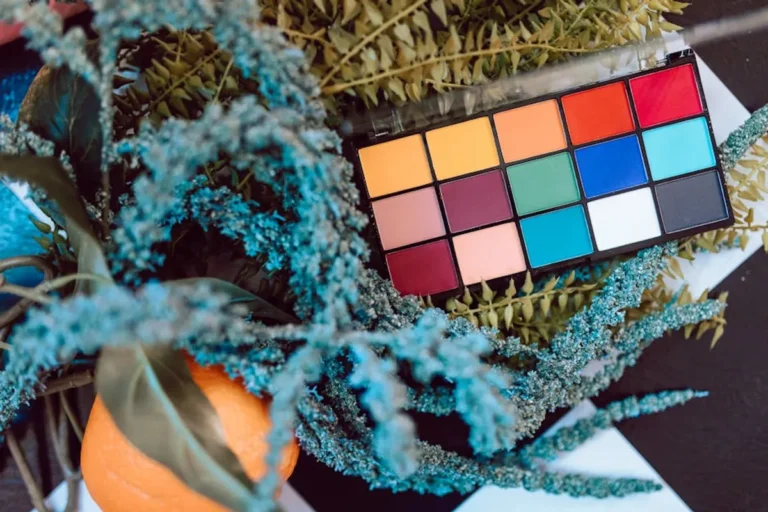
- Eye Shades: Bright, festive colors, glitter, shimmers, or metallic accents. Consider graphic liner styles or a pop of unexpected color.
- Lip Shades: Can range from a bold fuchsia or orange to a glitter gloss, depending on the overall look and personal style.
- Cheek Shades: Brighter blushes, often paired with more prominent highlighting.
Justification: These events are opportunities to experiment and showcase personality. The celebratory atmosphere welcomes bolder, more expressive makeup. Colors can be chosen to complement festive attire or simply to make a statement.
Key Factors Influencing Shade Selection Beyond Occasion
Skin Undertone and Complexion Match
Understanding your skin's undertone is foundational for selecting harmonious makeup shades. Undertones are the subtle colors beneath your skin's surface and remain constant regardless of sun exposure.
- Cool Undertones: Skin may have pink, red, or bluish hues. Veins often appear blue or purple. Makeup shades that complement include true reds, blue-based pinks, plums, cool browns, and silver.
- Warm Undertones: Skin may have yellow, golden, or peachy hues. Veins often appear green. Makeup shades that complement include orange-reds, coral pinks, gold, bronze, and warm browns.
- Neutral Undertones: A mix of both warm and cool, or neither is dominant. Veins may appear blue-green. Most shades will work, offering versatility.
Justification: Matching shades to your undertone ensures makeup appears natural and enhances your complexion rather than clashing or making your skin look sallow or ruddy. It creates a cohesive and flattering overall appearance.
Lighting Conditions
The type of lighting you will be under significantly impacts how makeup colors appear. This is a critical, often overlooked, factor.
- Natural Daylight: Reveals colors most accurately. Makeup should be applied with a lighter hand, as colors will show their true intensity.
- Fluorescent Lighting: Can cast a cool, sometimes harsh, blue-green tone, making skin appear sallow and makeup colors look muted or washed out. Requires slightly more warmth and saturation in shades.
- Incandescent (Warm) Lighting: Can add a yellow or orange cast, making makeup appear warmer. Be cautious with already warm-toned shades to avoid looking overly orange.
- Flash Photography: Can wash out lighter shades and intensify darker ones. Requires careful layering and often slightly more pigment than usual to ensure colors register in photos.
Justification: Adjusting shade intensity and finish based on anticipated lighting prevents makeup from looking either too subtle or too stark. It ensures your chosen look translates effectively from reality to photographs or different environments.
Outfit Color and Style
Your attire plays a significant role in guiding makeup shade choices, contributing to a unified aesthetic.
- Complementary Shades: Choosing makeup colors that harmonize with your outfit (e.g., a soft rose lip with a blush-toned dress).
- Contrasting Accents: Using makeup to provide a deliberate pop of color against a neutral or monochromatic outfit (e.g., a bold red lip with a black suit).
- Avoiding Clashes: Generally, avoid directly matching eyeshadow to a brightly colored outfit, as this can look dated or overwhelming. Instead, pick a complementary neutral or a contrasting accent color.
Justification: Coordinated makeup and attire create a polished and intentional presentation. It demonstrates attention to detail and enhances the overall impression you make.
Personal Style and Comfort
Ultimately, makeup should reflect your personal aesthetic and make you feel confident. While occasion and other factors provide guidelines, your comfort level is paramount.
Justification: If a particular shade or style makes you feel self-conscious, it will detract from your overall presence, regardless of how "correct" it might be for the occasion. Authenticity and confidence are key components of any successful look.
Pro Tip: When selecting shades for significant events like weddings or professional headshots, always do a full makeup trial under similar lighting conditions. Digital cameras and flash photography can significantly alter how colors appear, often washing out lighter shades or intensifying darker ones. This pre-test prevents unexpected results in final imagery.
Consolidating Your Occasion-Based Makeup Strategy
Developing a strategic approach to makeup shade selection involves integrating occasion-specific demands with personal factors and practical considerations. Begin by assessing the event's formality, time of day, and expected lighting. Next, consider your outfit and desired overall aesthetic. Finally, cross-reference these with your skin's undertone and personal comfort. Building a versatile makeup collection that includes a range of neutrals, a few key accent colors, and varying finishes will equip you for any situation. Practice applying these shades in different intensities to master the art of adaptation, ensuring your makeup consistently enhances your presence for every occasion.
Frequently Asked Questions
How do I know if a shade is right for my skin tone?
Test makeup shades directly on your face, preferably on your jawline for foundation or inner wrist/fingertip for lip/eye colors, under natural daylight. Observe how the color blends and if it enhances your complexion without appearing too stark, sallow, or ashy.
Can I wear bold makeup for a daytime event?
While daytime events typically favor lighter makeup, a single bold feature, such as a vibrant lip color paired with otherwise minimal eye and face makeup, can be stylish and appropriate for certain social gatherings. Avoid multiple bold elements, which can appear overwhelming in natural light.
What are universal makeup shades that work for most occasions?
Universal shades include soft taupes and browns for eyes, nude or rose-toned lipsticks, and peach or soft pink blushes. These colors are versatile, adaptable to various undertones, and can be built up for intensity or applied sheerly for a natural look.
How do I make my makeup last longer for special occasions?
To extend wear, start with a primer, use long-wear or waterproof formulas for foundation, eyeliner, and mascara, and set liquid/cream products with powder. Finish with a setting spray to lock makeup in place, especially for events lasting several hours or involving humidity.