
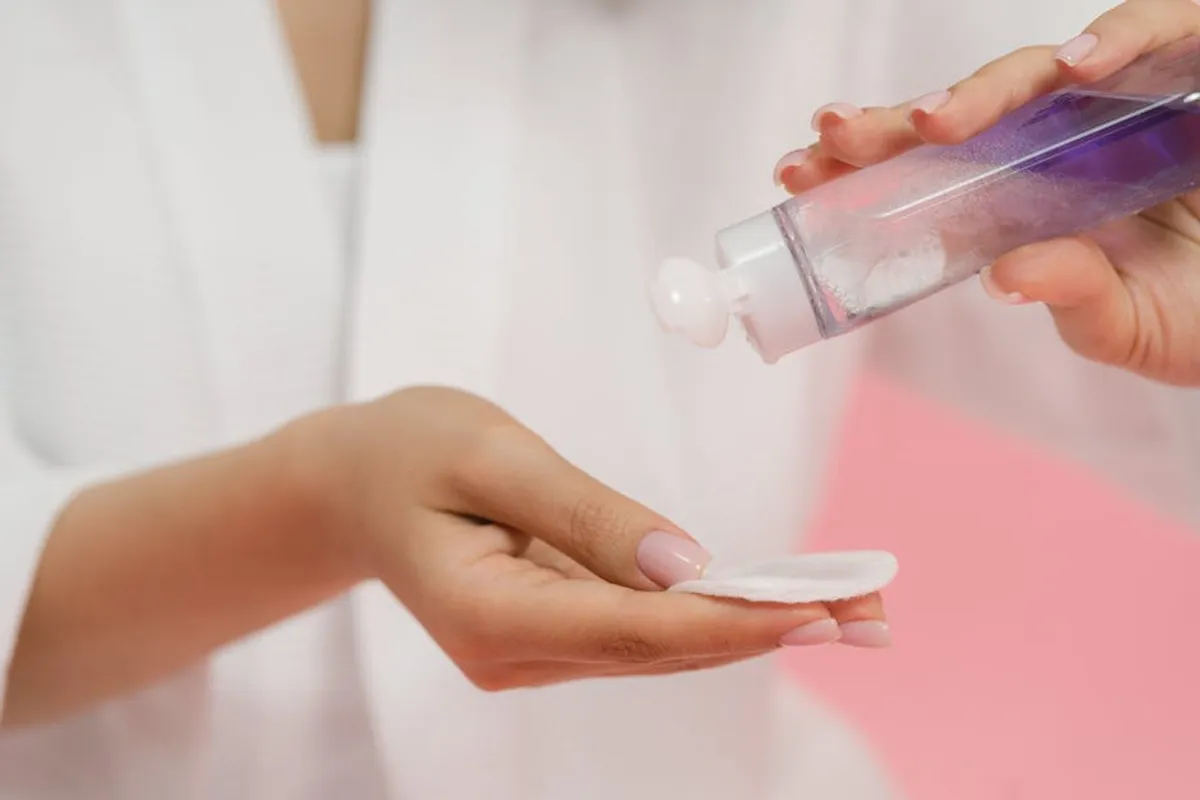
Proper makeup removal is not merely a cosmetic step; it is a foundational element of effective skincare, directly influencing skin health, product efficacy, and long-term complexion clarity. Neglecting thorough removal can lead to clogged pores, breakouts, premature aging, and reduced absorption of subsequent skincare treatments. This guide outlines a systematic approach to ensure all traces of makeup, sunscreen, and daily impurities are effectively lifted from the skin, preparing it optimally for repair and regeneration.
Understanding the Importance of Thorough Makeup Removal
The skin accumulates more than just makeup throughout the day. Environmental pollutants, excess sebum, and dead skin cells all contribute to a film that can impede skin function. When makeup is layered over these impurities and not fully removed, it creates a barrier that traps bacteria and irritants, fostering an environment ripe for inflammation and congestion. Furthermore, residual makeup can interfere with the active ingredients in serums and moisturizers, diminishing their ability to penetrate and deliver benefits. A complete cleansing routine ensures a clean canvas, allowing the skin to breathe, repair itself overnight, and fully absorb the nutrients applied afterward.
The Two-Step Cleansing Method for Optimal Results
The most effective strategy for makeup removal, particularly for those who wear foundation, long-wear cosmetics, or SPF, is the double cleanse. This method involves two distinct phases, each targeting different types of impurities.
Step 1: Breaking Down Makeup with an Oil-Based Cleanser
The first step focuses on dissolving oil-soluble impurities. Makeup, sunscreen, and excess sebum are all oil-based, making oil-based cleansers exceptionally effective at breaking them down without stripping the skin. Options include cleansing oils, balms, and micellar waters formulated for heavy makeup removal.
- Cleansing Oils: Applied to dry skin, these oils emulsify with makeup and impurities. When water is added, they transform into a milky emulsion that rinses cleanly away.
- Cleansing Balms: Solid at room temperature, balms melt into an oil upon contact with skin. They offer a luxurious feel and are excellent for dissolving stubborn makeup.
- Micellar Water: While primarily water-based, micellar waters contain micelles (tiny oil molecules) that attract and lift makeup. Best used with a cotton pad, they are a quick option but often require a second cleanse for thorough removal.
Application: Dispense a generous amount of oil cleanser or balm onto dry hands. Gently massage it into your dry face using circular motions for 60 seconds, paying extra attention to areas with heavy makeup. This allows the product to fully bind with all impurities. Add a small amount of warm water to your face to emulsify the cleanser, then rinse thoroughly with lukewarm water.
Step 2: Deep Cleansing with a Water-Based Formula
After the oil-based cleanser has removed surface makeup and oils, the second step addresses water-soluble impurities like sweat, dirt, and any remaining residue. This step ensures the skin is truly clean and balanced.
Product Types: Choose a water-based cleanser appropriate for your skin type. Gel cleansers are often suitable for oily or combination skin, while cream or milk cleansers are beneficial for dry or sensitive skin. Foaming cleansers can provide a deeper clean but should be used cautiously by those with dry skin to avoid over-stripping.
Application: Apply a small amount of your chosen water-based cleanser to damp skin. Lather gently, massaging across your face and neck for another 30-60 seconds. This step clears pores and removes any film left by the first cleanser. Rinse thoroughly with lukewarm water until no product remains, then gently pat your face dry with a clean towel.
Targeted Removal for Specific Areas
Certain areas of the face require particular attention due to the type of makeup used or the delicacy of the skin.
Eye Makeup: Gentle and Effective Techniques
The skin around the eyes is significantly thinner and more delicate than the rest of the face, making it prone to irritation and premature fine lines. Waterproof mascara, eyeliner, and eyeshadow require specific removal methods to prevent harsh rubbing.
Method: Use a dedicated eye makeup remover, preferably bi-phasic (oil and water layers), on a cotton pad. Shake the bottle to mix the layers. Press the saturated pad gently over closed eyelids for 10-15 seconds, allowing the remover to dissolve the makeup. Then, without scrubbing, gently wipe downwards and outwards. Repeat with a fresh pad if necessary, ensuring no residue remains between lashes.
Lip Products: Preventing Residue and Dryness
Long-wear lipsticks and stains can cling to the lips, leading to dryness if not removed properly. Residual color can also transfer to pillows or towels.
Method: For stubborn lip products, apply a small amount of oil-based cleanser or bi-phasic eye makeup remover to a cotton pad. Gently press and wipe across the lips. Follow with a soft, damp cloth to remove any remaining pigment or product. Consider a gentle lip exfoliant once or twice a week to remove dead skin cells and ensure a smooth surface.
Pro Tip: Never rub or tug at your skin during makeup removal, especially around the eyes. Excessive friction can cause micro-tears, irritation, and contribute to collagen breakdown over time. Gentle pressing and sweeping motions are always more effective and skin-friendly.
Post-Removal Skincare: Preparing for Treatment
Once makeup is thoroughly removed, the skin is primed to receive treatment products. This stage is crucial for maximizing the benefits of your skincare routine.
Toning: A hydrating toner can help balance the skin's pH and deliver an initial layer of hydration. Apply it with a cotton pad or by pressing it directly into the skin with clean hands.
Treatments: Serums, essences, and targeted treatments (e.g., retinoids, antioxidants, hyaluronic acid) should be applied to clean, toned skin. Their active ingredients can now penetrate more effectively without barriers.
Moisturizing: Finish with a moisturizer to lock in hydration and create a protective barrier. Choose a formula suitable for your skin type and concerns.
Common Mistakes to Avoid
Even with good intentions, several common errors can undermine effective makeup removal:
- Using only makeup wipes: Wipes are convenient but often just smear makeup around rather than thoroughly removing it. They also frequently contain harsh chemicals and can leave residue. They are best reserved for emergencies or as a first step before a full cleanse.
- Skipping the second cleanse: Relying solely on an oil-based cleanser leaves water-soluble impurities and can lead to breakouts.
- Not washing hands first: Always wash your hands before touching your face to avoid transferring bacteria and dirt.
- Using water that is too hot or too cold: Extreme temperatures can shock the skin and disrupt its natural barrier. Lukewarm water is ideal.
- Failing to rinse thoroughly: Leftover cleanser can irritate the skin and clog pores. Ensure all product is completely washed away.
- Using a dirty towel: Always use a clean, soft towel to pat your face dry to prevent bacterial transfer.
Establishing Your Evening Skincare Foundation
Incorporating a diligent and proper makeup removal routine is not an optional extra; it is a non-negotiable step for maintaining healthy, clear, and resilient skin. By understanding the principles of double cleansing, employing targeted techniques for delicate areas, and avoiding common pitfalls, you equip your skin with the best possible foundation for repair and rejuvenation. This consistent effort ensures that your skin remains receptive to subsequent treatments, preserving its vitality and appearance over time.
Frequently Asked Questions
Q: What if I don't wear much makeup? Do I still need to double cleanse?
A: Yes, even if you wear minimal makeup or none at all, your skin still accumulates sunscreen, environmental pollutants, and natural oils throughout the day. A single, thorough cleanse with a gentle water-based cleanser is usually sufficient, but a light oil cleanse can be beneficial for breaking down SPF and daily grime.
Q: Can I just use micellar water to remove all my makeup?
A: Micellar water is effective for light makeup and as a first step, but it often leaves a residue and may not fully remove all impurities, especially waterproof or long-wear products. For a truly clean face, it's best to follow with a traditional water-based cleanser.
Q: How often should I exfoliate my lips?
A: Exfoliating your lips once or twice a week is generally sufficient to remove dry, flaky skin and promote smoothness. Over-exfoliation can cause irritation and dryness.
Q: What's the best type of cleanser for sensitive skin?
A: For sensitive skin, look for gentle, fragrance-free, and non-foaming cream, milk, or gel cleansers. Avoid harsh sulfates or strong active ingredients. An oil cleanser as the first step can also be very soothing and non-irritating.