
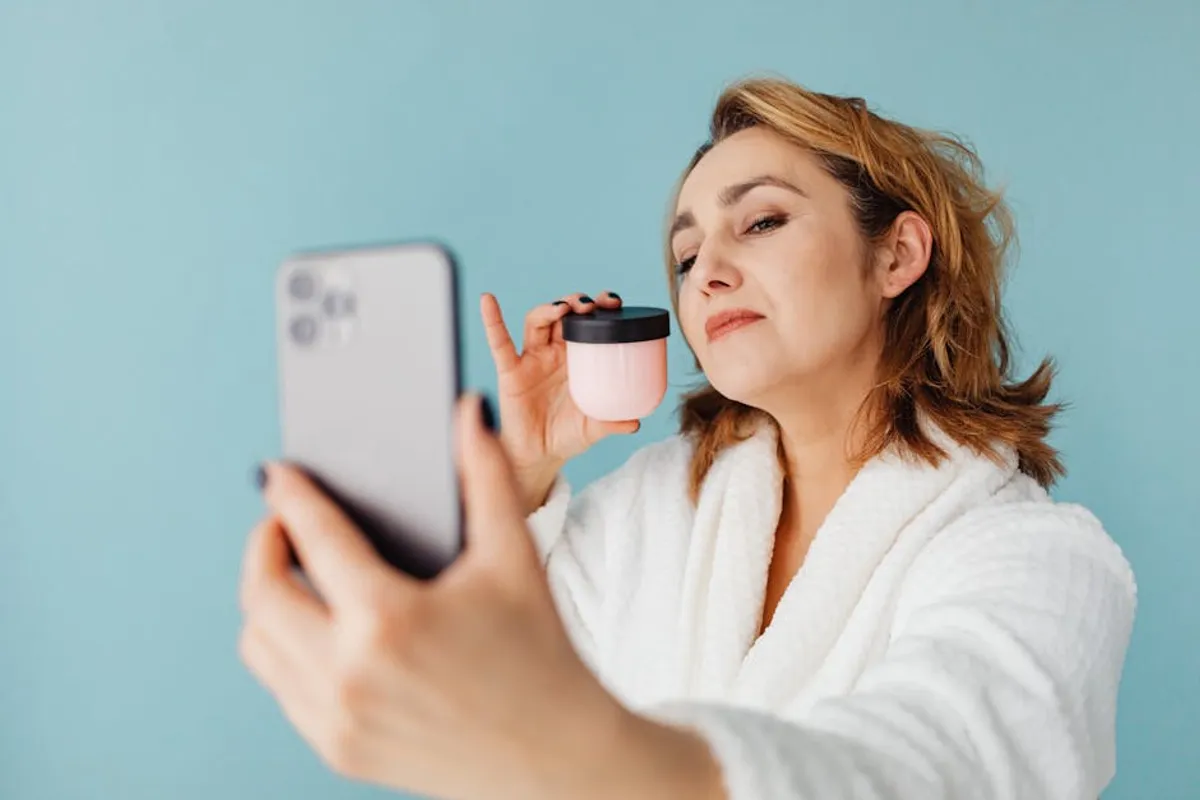
Effective skincare product reviews transcend simple opinion; they are structured evaluations that build audience trust, drive targeted traffic, and unlock commercial opportunities. For SEO professionals, marketers, and site owners, understanding the mechanics of a credible review process is critical for generating high-value content that ranks and converts. This guide outlines a methodical approach to reviewing skincare products, focusing on the actionable steps required to produce content that is both authoritative and commercially viable.
Establishing a Robust Review Framework
Before any product application, a comprehensive understanding of the item and its market position is essential. This foundational research informs the testing protocol and ensures the review addresses key consumer queries and concerns, which directly translates to better search visibility for relevant long-tail keywords.
Ingredient Analysis and Formulation Scrutiny
A credible review begins with a deep dive into the product's ingredient list. Beyond identifying common actives, evaluate the concentration of key ingredients, the presence of potential irritants (e.g., strong fragrances, certain alcohols), and the overall formulation strategy. Cross-reference stated benefits with scientific literature on specific ingredients. For instance, if a product claims "brightening," investigate the forms and concentrations of Vitamin C, niacinamide, or alpha arbutin present. This level of detail provides concrete data points for your review, moving beyond subjective impressions.
Key considerations:
- Identify active ingredients and their purported functions.
- Research optimal concentrations for efficacy.
- Note any potential allergens or sensitizers.
- Assess the ingredient order to gauge concentration levels (higher on the list generally means higher concentration).
- Compare the ingredient deck against similar products in the market.
Deconstructing Brand Claims and Target Audience
Analyze the brand's marketing claims against the ingredient list and scientific consensus. Does the product promise "instant wrinkle reduction" with ingredients known for long-term effects? Understand the specific skin concerns and types the product targets (e.g., oily, dry, sensitive, acne-prone). This helps frame your testing parameters and allows you to speak directly to the product's intended user base, improving keyword relevance and user engagement.
Implementing a Systematic Testing Protocol
Subjectivity is inherent in skincare, but a structured testing methodology minimizes bias and maximizes the utility of your observations. Consistency is paramount to isolating the product's effects.
Consistent Application and Controlled Environment
Adhere strictly to the product's usage instructions regarding frequency and quantity. Document the duration of the testing period, which should be sufficient to observe both immediate and cumulative effects (typically 2-4 weeks for most products, longer for anti-aging or acne treatments). Maintain a consistent skincare routine around the product, avoiding the introduction of other new products that could confound results. Note environmental factors like seasonal changes, which can influence skin condition.
Objective Measurement and Subjective Observation
Combine empirical data with qualitative experience. Objective measurements can include before-and-after photos (under consistent lighting), hydration readings if tools are available, or tracking breakout frequency. Subjective observations encompass texture, scent, ease of application, absorption rate, and immediate skin feel (e.g., tightness, comfort, glow). Record these observations systematically, perhaps daily or weekly, to track progression.
Pro Tip: Implement a "half-face" test for products claiming significant visual changes, such as anti-aging serums or acne treatments. Apply the product to one side of the face only for a week or two, using your regular routine on the other. This direct comparison can provide compelling visual evidence for your review.
Structuring Reviews for Commercial Impact
A well-structured review not only informs but also guides purchasing decisions and improves search engine visibility. Organize your findings logically to address user intent at various stages of the buying journey.
Essential Review Components
Every review should include specific sections that cater to different reader needs:
Product Introduction: Briefly introduce the product, its primary purpose, and key ingredients. This sets the stage and confirms for the reader they've found the right content.
First Impressions: Detail the initial sensory experience – packaging, texture, scent, and immediate feel upon application. This addresses early-stage user curiosity.
In-Depth Experience & Results: This is the core of your review. Describe your consistent use, observed changes over time, and how the product performed against its claims. Use specific examples and timelines. Discuss both positive and negative observations.
Pros and Cons: A concise, bulleted list summarizing the product's strengths and weaknesses. This allows readers to quickly grasp the key takeaways.
Who Is It For?: Based on your testing and ingredient analysis, recommend the ideal skin type, concern, or user profile for the product. This helps readers self-qualify and improves conversion rates for affiliate links.
Value Proposition: Discuss the product's price point relative to its performance, ingredient quality, and quantity. Is it a luxury splurge, a budget-friendly option, or a mid-range staple? This addresses commercial considerations.
Overall Verdict & Recommendation: A definitive summary of your findings and whether you recommend the product, and for whom. This provides a clear call to action or a final guiding statement.
Integrating Commercial Elements and SEO Best Practices
Beyond content, consider the technical and commercial aspects. Naturally integrate relevant keywords throughout the review, including product names, specific ingredients, and common skin concerns. Utilize schema markup (e.g., Review schema) to help search engines understand the nature of your content and potentially display rich snippets. Strategically place affiliate links where appropriate, ensuring transparency through clear disclosures. High-quality images and video demonstrations can significantly enhance engagement and conversion rates.
Maintaining Ethical Standards and Transparency
Credibility is the bedrock of successful review content. Disclose any potential conflicts of interest, such as receiving free products or compensation for the review. Clearly state if affiliate links are present. This builds trust with your audience and aligns with regulatory guidelines, safeguarding your site's reputation and long-term SEO health.
Actionable Review Development
Developing high-quality skincare product reviews requires a systematic approach, from initial research to final publication. By meticulously analyzing ingredients, adhering to a consistent testing protocol, structuring content for clarity and commercial intent, and upholding transparency, you can create authoritative content that resonates with your audience and delivers tangible SEO and monetization results. This structured process ensures your reviews are not just opinions, but valuable resources that inform purchasing decisions and establish your content as a trusted authority within the beauty and skincare niche.
Frequently Asked Questions About Skincare Product Reviews
How long should I test a skincare product before writing a review?
The ideal testing duration varies by product type. For immediate effects like hydration or texture, 1-2 weeks may suffice. For treatments targeting concerns like acne, hyperpigmentation, or anti-aging, 4-8 weeks (or even longer) is often necessary to observe significant, consistent results.
Should I only review products I like?
No, balanced reviews that include both pros and cons are more credible and helpful to your audience. Negative or mixed reviews, when well-justified and objective, can also rank for specific queries and build trust by demonstrating impartiality.
What makes a skincare review commercially useful for my site?
A commercially useful review integrates clear product recommendations, addresses specific user pain points (which align with search queries), and strategically places affiliate links or calls to action. It focuses on solving a problem for the reader, leading them towards a suitable product solution.
Is it necessary to include ingredient breakdowns in every review?
Yes, including an ingredient breakdown adds significant value and credibility. It allows readers to understand the science behind the product's claims, identify potential irritants, and compare formulations, making your review a more authoritative and trustworthy resource.