For photographers, models, and stylists, a photoshoot is more than just capturing an image; it's about crafting a visual narrative that resonates and, ultimately, sells. Properly styled outfits are not merely aesthetic choices; they are strategic decisions that define the mood, communicate the brand, and elevate the perceived value of the final output. Whether you're building a professional portfolio to attract high-paying clients or executing a commercial campaign, the deliberate selection and presentation of garments directly impact how your work is received and remembered. This guide outlines a structured approach to styling outfits, ensuring every visual component serves a clear commercial or artistic objective.
Understanding the Shoot's Core Objective
Effective styling begins long before any garment is selected. It requires a deep understanding of the project's purpose and the message it needs to convey.
Deconstructing the Brief or Vision
Every shoot has a story. For commercial projects, this involves dissecting the client's brief: what is the brand identity, who is the target demographic, and what specific product or lifestyle is being promoted? For personal portfolio development, define your artistic vision: what aesthetic are you aiming for, what emotions do you want to evoke, and what unique perspective do you want to showcase? The answers to these questions dictate the overall tone and direction for wardrobe choices. A high-fashion editorial demands avant-garde pieces, while a lifestyle shoot prioritizes relatable, comfortable attire.
Audience and Portfolio Alignment
Consider who will view these images. A portfolio aimed at luxury fashion brands will require a different styling approach than one targeting commercial e-commerce clients. Each outfit selection should contribute to the narrative you want to present about your capabilities and creative range. If you aspire to work in a specific niche, ensure your portfolio styling reflects that specialization.
Developing a Visual Mood Board
A comprehensive mood board is the foundational tool for any styling project. It centralizes the aesthetic vision and ensures all collaborators—photographer, model, hair and makeup artists—are aligned. Collect images that convey the desired mood, color palette, textures, poses, and even lighting. Include specific garment inspiration, accessory ideas, and hair/makeup references. This visual blueprint acts as a consistent reference point throughout the entire process, minimizing misinterpretations and streamlining creative decisions.
Strategic Wardrobe Curation
Once the concept is clear, the practical process of selecting garments begins. Each choice should be intentional and contribute to the overall visual story.
Color Theory and Texture Play
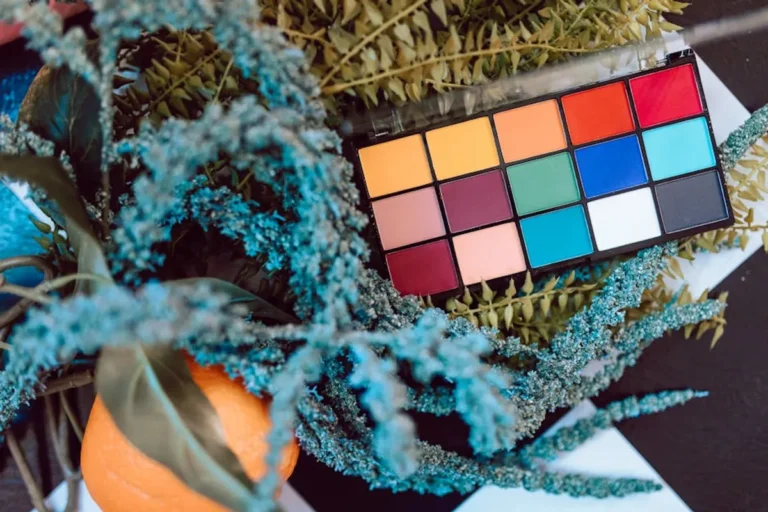
Colors evoke specific emotions and create visual harmony or contrast. Understanding basic color theory—complementary, analogous, monochromatic palettes—is crucial. Warm tones (reds, oranges, yellows) often convey energy, while cool tones (blues, greens, purples) suggest calm or sophistication. Textures, such as silk, tweed, denim, or knitwear, add depth and tactile interest to an image, particularly in monochromatic or minimalist styling. Avoid overly busy or distracting patterns unless they are the explicit focal point of the shot, as they can pull attention away from the subject.
Silhouette and Fit for Impact
The shape and fit of an outfit define the body's form and contribute significantly to the overall message. A structured, tailored silhouette can convey power and professionalism, while flowing, draped fabrics suggest movement and ease. Ill-fitting garments, whether too tight or too loose, immediately detract from the professionalism of a shoot. Prioritize proper fit, using tailoring or pinning on set as necessary. Consider how the silhouette will interact with the chosen poses and environmental elements.
Layering for Dimension and Versatility
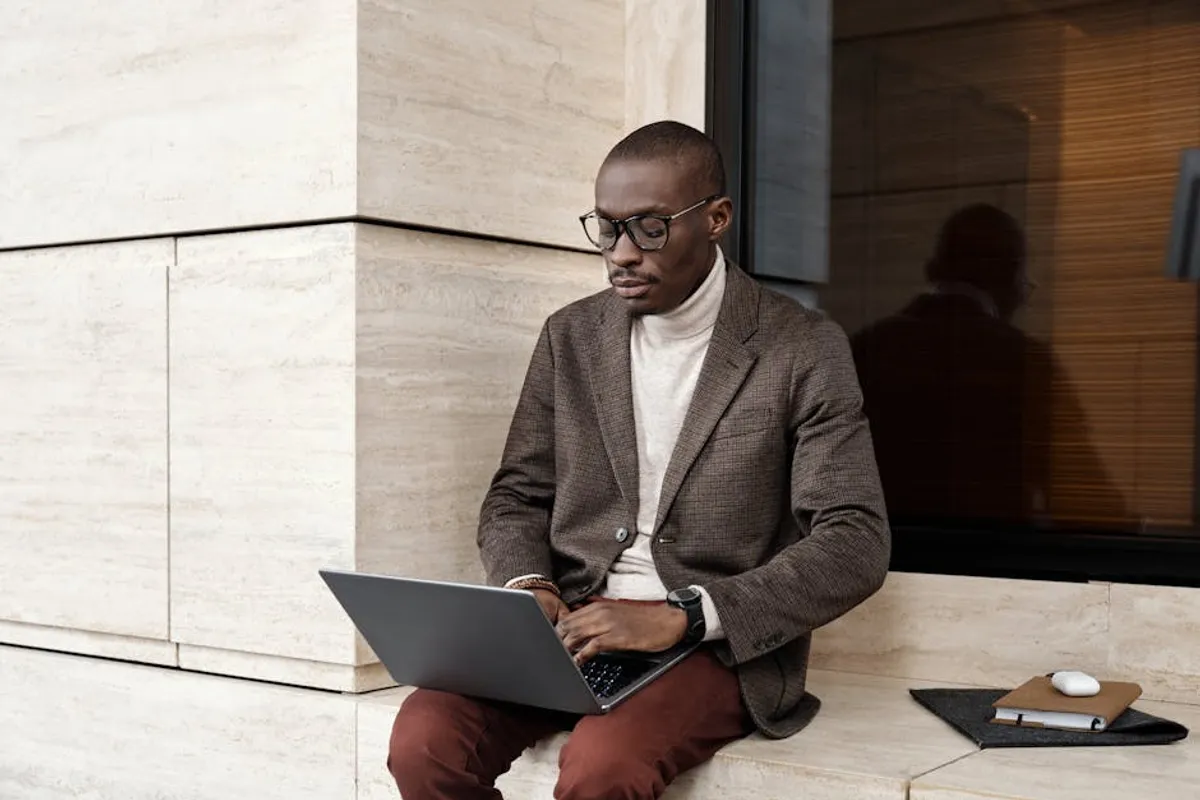
Layering adds visual complexity and allows for quick transformations or variations during a shoot without needing a full outfit change. A jacket, vest, scarf, or open shirt can instantly alter an outfit's mood and depth. Layers also provide practical benefits, offering warmth or coverage, and can be adjusted to suit changing weather conditions or creative directions on set.
Accessories as Narrative Elements
Accessories are not afterthoughts; they are crucial narrative elements that complete a look, reinforce the theme, and add personality. Jewelry, hats, belts, bags, and shoes should be selected with the same intentionality as the main garments. Ensure all accessories are clean, in excellent condition, and complement the overall aesthetic without overpowering the subject or the clothing. They can provide a subtle nod to a specific era, culture, or character.
PRO TIP: Always bring more options than you think you need. Wardrobe malfunctions, unexpected lighting conditions, or last-minute creative shifts can render a planned outfit unsuitable. Having backup garments, shoes, and accessories in varying colors or styles can save a shoot from costly delays or compromise.
On-Set Execution and Logistics
Even the most meticulously planned styling requires efficient execution and adaptability during the actual photoshoot.
Prioritizing Comfort and Movement
A model's comfort directly impacts their ability to pose naturally and project confidence. Choose fabrics and cuts that allow for a full range of movement, especially for dynamic or action-oriented shoots. Restrictive clothing can lead to stiff, unnatural poses, compromising the authenticity of the final images.
Pre-Shoot Preparation: Packing and Steaming
Efficient organization is key to a smooth shoot day. Organize outfits by look, label them clearly, and pack them carefully to minimize wrinkles. Essential styling tools include:
- A portable steamer or iron
- Lint rollers
- A basic sewing kit (needles, thread, safety pins)
- Double-sided fashion tape
- Shoe shine kit
- Clothespins and clamps for minor adjustments
- Hangers and garment bags
Arrive on set with all garments pressed, clean, and ready for immediate use.
Adapting and Adjusting Live
Photoshoots rarely go exactly as planned. Be prepared to make quick decisions and adjustments on the fly. Lighting changes, location limitations, or a model's preference might necessitate a wardrobe tweak. A skilled stylist can roll sleeves, tuck shirts, swap accessories, or even combine elements from different planned outfits to optimize the shot in real-time, ensuring the creative vision is maintained despite unforeseen challenges.
Maximizing Portfolio Impact
The final stage involves curating your best work to create a compelling, professional portfolio that effectively showcases your styling prowess.
Balancing Range with Signature Style
Your portfolio should demonstrate versatility across various styles, concepts, and genres (e.g., editorial, commercial, portraiture) to show your breadth of skill. However, it should also clearly communicate your unique creative voice and aesthetic preferences. Avoid including too many visually similar images; instead, focus on showcasing distinct looks and challenges you've successfully addressed.
Showcasing Problem-Solving and Creativity
Beyond simply presenting beautiful images, a strong portfolio highlights your ability to solve creative problems and innovate. Include projects that demonstrate how you worked within constraints, transformed ordinary garments, or introduced unique conceptual elements. When appropriate, consider including a brief caption explaining the styling challenge or creative intent behind a particular look.
Curating for Impact, Not Quantity
Less is often more. Select only your strongest, most relevant work. A tightly curated portfolio of 10-15 exceptional images is far more impactful and memorable than an extensive collection of mediocre or repetitive shots. Group similar themes or styles together to create a cohesive flow, making it easy for viewers to navigate and appreciate your range.
Frequently Asked Questions
How many outfits should I prepare for a typical photoshoot?
For a standard half-day shoot (3-4 hours), prepare 3-5 distinct outfits. For a full-day shoot (6-8 hours), aim for 5-8 outfits. Always bring a few extra backup options or versatile pieces that can be mixed and matched.
What's the most common styling mistake to avoid?
One of the most common mistakes is neglecting proper fit. Even high-end garments will look unprofessional if they don't fit the model correctly. Another error is over-accessorizing, which can distract from the main subject and create visual clutter.
Should I buy or rent clothes for a photoshoot?
This depends on your budget and the shoot's purpose. For high-end fashion or specific designer pieces, renting from showrooms or stylists is common. For more general or commercial shoots, purchasing versatile basics or borrowing from personal collections or boutiques can be cost-effective. Always factor in return policies and cleaning costs.
How do I style for different body types?
Focus on enhancing the model's best features and creating balanced proportions. For example, A-line silhouettes flatter many figures, while strategic layering can add volume or create definition. The key is to choose cuts and fabrics that drape well and make the model feel comfortable and confident, which translates to better photos.