Selecting a haircut for a child involves more than just aesthetics; it requires balancing a child's comfort, activity level, hair texture, and ease of daily maintenance. Parents often seek styles that are both fashionable and practical, minimizing daily styling struggles while ensuring their child feels confident. This guide explores current trends, classic adaptations, and essential considerations to help inform these decisions, moving beyond simple trims to purposeful styling choices.
Navigating Kids' Haircut Choices: Beyond the Basic Trim
The foundation of a successful kids' haircut lies in understanding the interplay between hair characteristics and lifestyle demands. A style that looks appealing in a magazine might prove frustrating in daily life if it doesn't align with these core factors.
Assessing Hair Type and Texture
Hair type dictates how a cut will lay, hold, and behave. Fine hair often benefits from blunt cuts and minimal layering to create the illusion of fullness, while thick hair can support more aggressive layering and texturizing to reduce bulk and add movement. Curly hair requires specific cutting techniques to prevent frizz and maintain curl definition, often favoring longer layers or blunt bobs that work with the natural curl pattern rather than fighting it. Straight hair can showcase precise lines and geometric shapes effectively, but can also appear flat without strategic layering around the face or crown.
Considering Lifestyle and Activity Levels
A child's daily routine significantly impacts haircut suitability. Highly active children, involved in sports or outdoor play, often benefit from shorter, low-maintenance styles that stay out of their eyes and require minimal fuss. Examples include short fades for boys or bobs and pixies for girls. For children with less demanding schedules, or those who enjoy styling, longer cuts with more intricate layering or fringe options become viable. The goal is to avoid styles that constantly need re-adjusting or cause discomfort during play.
Trending Haircut Styles for Younger Boys
Modern boys' haircuts blend classic structures with contemporary detailing, offering versatility from school to special events.
Classic Cuts with Modern Twists
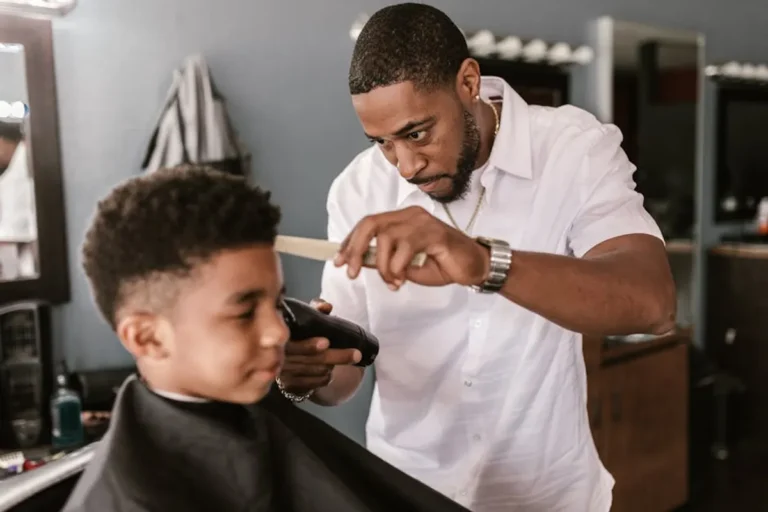
The crew cut, a perennial favorite for its neatness and minimal upkeep, has evolved. Today's versions often feature slightly longer tops for added texture, paired with a subtle fade on the sides and back. This allows for styling versatility—either brushed forward for a casual look or swept to the side for a more polished finish. The taper fade, a gradual reduction in hair length from top to bottom, remains popular, offering a clean silhouette that works well with various top lengths, from short and spiky to longer quiffs.
Textured Tops and Undercuts
Textured crops and French crops are prominent, characterized by a short back and sides (often faded) with a longer, textured top section that is typically styled forward. This provides a playful yet structured look. Undercuts, where the sides and back are shaven or cut very short while the top remains long, offer a bold contrast. For boys, a softened undercut with a gradual transition, rather than a harsh line, makes it more age-appropriate and versatile for different hair types.
Trending Haircut Styles for Younger Girls
Girls' haircuts emphasize movement, adaptability, and options for accessorizing, ranging from timeless shapes to more contemporary layered looks.
Versatile Bobs and Lobs
The bob remains a cornerstone of girls' hairstyles due to its clean lines and manageability. A classic blunt bob, cut just above the shoulders, offers a polished look with minimal styling. The "lob" (long bob) extends to the collarbone, providing more length for ponytails or braids while retaining the bob's inherent neatness. Both can be customized with subtle layers around the face to soften the silhouette or with a slight A-line angle for a modern edge.
Layered Looks for Length
For girls who prefer longer hair, strategic layering adds shape, reduces weight, and prevents a heavy, blocky appearance. Long, sweeping layers can enhance natural waves or curls, creating movement and bounce. Face-framing layers, starting around the chin, soften the overall look and can be pulled back easily. Graduated layers, where the hair is cut at an angle to create a stacked effect, add volume and body, particularly effective for fine to medium hair textures.
Fringe and Bang Styles
Fringes (bangs) offer an instant style update and can dramatically alter a look without sacrificing length.
- Blunt Bangs: A classic choice, cut straight across the forehead, best suited for thicker hair.
- Sweeping Side Bangs: Soften the face and blend seamlessly into longer layers, ideal for all hair types.
- Curtain Bangs: Parted in the middle and swept to either side, these grow out gracefully and are low-maintenance.
- Micro Bangs: A bolder, shorter fringe that sits above the eyebrows, offering a quirky, fashion-forward statement.
Pro Tip: When considering bangs for a child, assess their hair growth pattern and activity level. Bangs require more frequent trims to stay out of the eyes and may be less practical for very active children or those with cowlicks that make bangs difficult to manage.
Adapting Adult Trends for Kids
Many popular adult styles can be modified for children, offering a sophisticated yet age-appropriate aesthetic.
Softened Fades and Tapers
While sharp, high fades are common in adult male styles, a softer, lower fade or a gentle taper is often more suitable for boys. This maintains a clean look without being overly severe, blending more naturally with the child's facial features and hair texture. The transition should be gradual, ensuring the cut remains youthful and versatile.
Playful Pixies and Shags
The pixie cut, a short, cropped style, can be adapted for girls by adding soft layers and a slightly longer fringe for a playful, less angular look. This cut is excellent for managing thick or unruly hair and offers significant ease of care. The shag, characterized by choppy layers and a feathered finish, provides texture and movement for both boys and girls with medium to long hair. For kids, the layers are typically less extreme, creating a softer, more blended effect that enhances natural waves or straight hair with added volume.
Practical Considerations for Parents
Beyond the visual appeal, a child's haircut must function effectively within their daily life.
Ease of Maintenance
The primary consideration for many parents is how easily a style can be maintained at home. Styles that require minimal product, air-dry well, and can be quickly brushed or finger-styled are often preferred. Shorter cuts generally demand less daily effort but may require more frequent trims. Longer styles offer versatility for tying back but can involve more detangling and conditioning.
Child's Comfort and Input
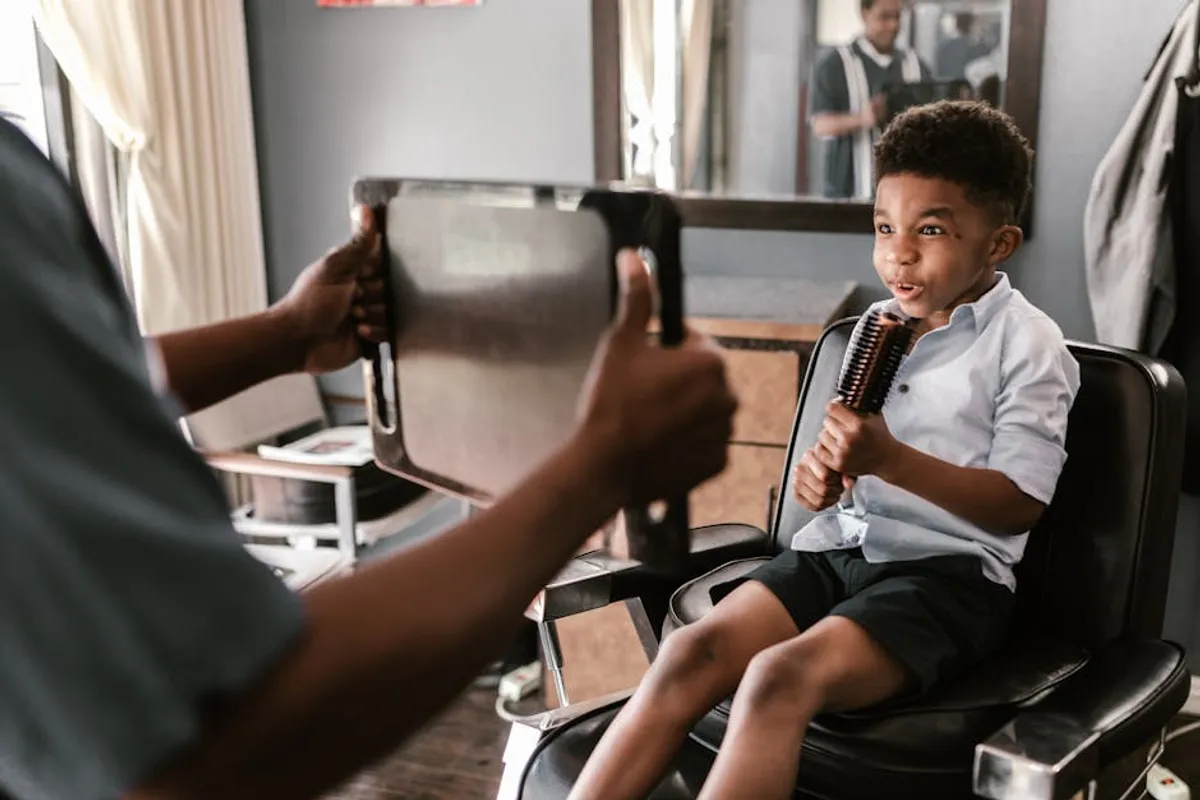
A child's comfort during the haircutting process and with the final style is paramount. For younger children, a quick, straightforward cut minimizes distress. For older children, involving them in the style selection process fosters a sense of ownership and can lead to greater satisfaction with the result. Discussing their preferences, what they find comfortable, and what their friends have can guide the decision.
Growth Patterns and Future Styles
Consider how a style will grow out. A well-executed cut should still look good weeks after the salon visit, providing a graceful transition until the next appointment. Styles with strong lines or short bangs may require more frequent touch-ups. Discussing growth patterns with a stylist can help choose a cut that maintains its shape longer, minimizing salon visits and cost.
Maintaining the Look: Tips for Longevity
Proper care extends the life of a haircut and keeps hair healthy.
Essential Hair Care Products
For children, simplicity is key. A gentle, sulfate-free shampoo and conditioner suitable for their hair type (e.g., moisturizing for dry curls, volumizing for fine hair) form the basis. A leave-in conditioner or detangling spray can be invaluable for longer or curly hair, preventing knots and breakage. For styling, a light mousse or cream can enhance texture without stiffness, while a child-safe hairspray can tame flyaways for special occasions.
At-Home Styling Techniques
Teaching children simple styling techniques as they get older promotes independence. For short styles, a quick brush and a dab of styling cream can define texture. Longer hair benefits from learning how to properly brush from the ends up to avoid tangles, and basic braiding or ponytail techniques. Air-drying whenever possible is healthier for hair, but a low-heat blow-dryer can be used for speed, especially with thicker hair.
Making Informed Choices for Kids' Hair
Choosing the right haircut for a child is a collaborative effort between parents, the child, and the stylist. Prioritizing comfort and practicality alongside aesthetic appeal ensures a style that both looks good and fits seamlessly into their active lives. By considering hair type, lifestyle, and maintenance, parents can select a cut that boosts confidence and simplifies daily routines.
Frequently Asked Questions
How often should a child get a haircut?
This depends on the style and hair growth rate. Shorter cuts (fades, pixies) typically need trims every 3-5 weeks to maintain shape. Longer styles can go 6-10 weeks between trims, mainly for split ends and to refresh layers.
What's the best way to prepare a child for their first haircut?
Talk positively about the experience, show them pictures of other kids getting haircuts, or even let them watch an older sibling or parent get one. Schedule it when they are well-rested and fed, and bring a comfort item or snack if allowed.
Are certain styles better for children with very fine hair?
Yes, blunt cuts (like a classic bob or straight fringe) can make fine hair appear thicker by creating a solid line. Minimal layering is key, as too many layers can make fine hair look even thinner. Shorter styles also tend to give fine hair more body.
How can I make sure my child's haircut is age-appropriate?
Focus on styles that are easy to manage, don't require excessive heat styling or heavy products, and allow for active play without constant adjustment. Avoid overly complex or "adult" styles that might look out of place or be uncomfortable for a child.