
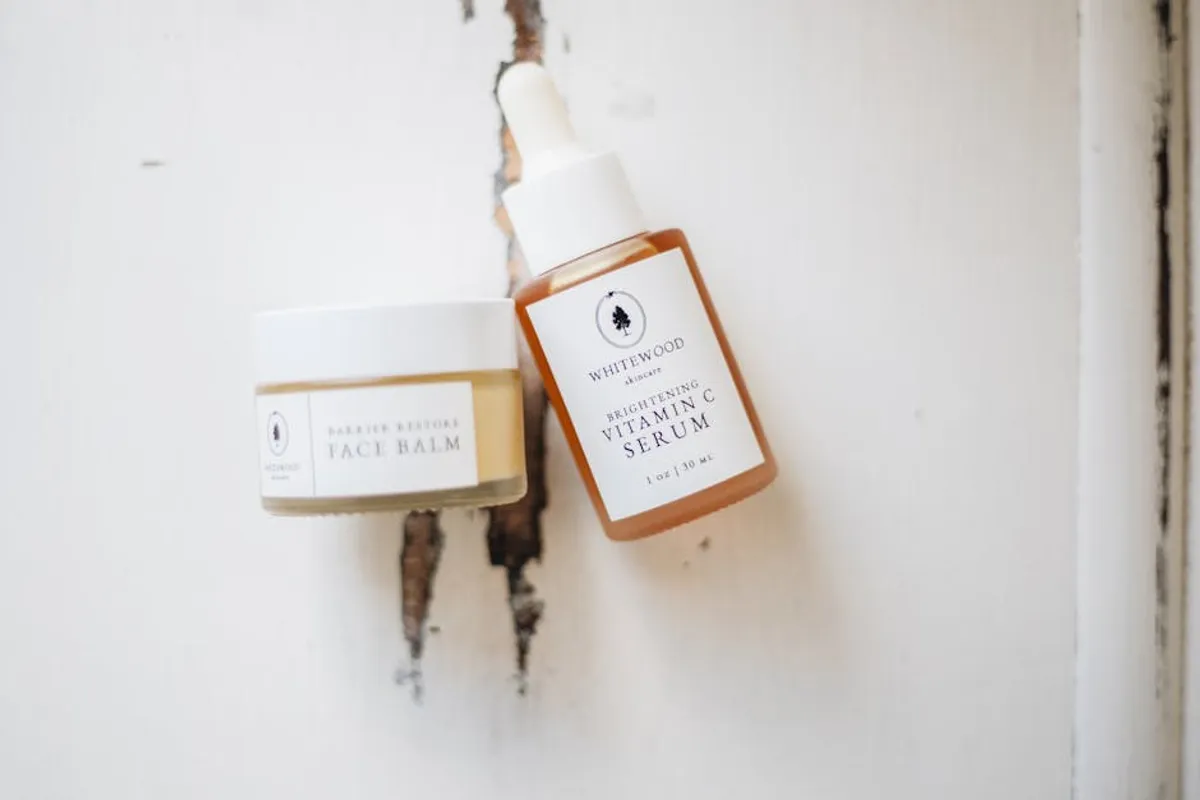
Establishing an effective morning skincare routine is a strategic investment in skin health and appearance. Unlike evening routines focused on repair and regeneration, the morning regimen centers on protection from environmental aggressors, hydration, and preparing the skin for the day ahead. A well-executed routine not only safeguards the skin barrier but also enhances the efficacy of subsequent makeup application and contributes to long-term dermal resilience. Understanding the purpose of each step and tailoring product choices to individual skin types and concerns ensures maximum benefit, transforming a daily habit into a powerful preventative and corrective measure. This foundational knowledge will guide you through the initial steps of a beginner's skincare journey.
The Essential Steps and Their Purpose
A morning skincare routine is built on a sequence of product applications, each designed to perform a specific function and prepare the skin for the next. The order is crucial for optimal absorption and efficacy.
Cleansing: Preparing the Canvas
The first step involves removing any residual night-time products, excess oil, or impurities that may have accumulated overnight. A gentle cleanser is critical here to avoid stripping the skin of its natural moisture barrier.
Best for: Removing impurities without causing dryness or irritation. For oily or acne-prone skin, a salicylic acid cleanser can help manage sebum. For dry or sensitive skin, a cream or gel cleanser maintains hydration.
Toning: Balancing and Priming
Historically, toners were alcohol-based and astringent, but modern formulations serve to balance the skin's pH, provide an initial layer of hydration, and prepare the skin to better absorb subsequent treatments. Look for toners with humectants like hyaluronic acid or soothing ingredients like ceramides.
Best for: Restoring skin pH after cleansing and delivering an initial boost of hydration. Avoid toners with high alcohol content, which can cause dryness.
Targeted Treatments: Serums and Eye Care
This stage is where concentrated active ingredients address specific skin concerns. Serums are lightweight formulas designed to penetrate deeply and deliver potent ingredients.
- Antioxidant Serums: Vitamin C is a common choice, protecting against free radical damage from UV exposure and pollution, while also brightening the complexion and stimulating collagen production.
- Hydrating Serums: Hyaluronic acid serums draw moisture into the skin, plumping fine lines and improving overall hydration levels.
- Niacinamide Serums: Address concerns like enlarged pores, uneven skin tone, and weakened skin barrier function.
Following serum application, an eye cream targets the delicate skin around the eyes. This area is thinner and more prone to showing signs of aging, fatigue, and dehydration. Eye creams are formulated to be gentle yet effective, often containing ingredients to reduce puffiness, dark circles, and fine lines.
Best for: Delivering high concentrations of active ingredients to address specific concerns like hyperpigmentation, fine lines, or dehydration. Eye creams provide targeted hydration and protection for the sensitive periorbital area.
Hydration and Barrier Support: Moisturizers
A moisturizer seals in the serums and provides a protective barrier, preventing transepidermal water loss and keeping the skin supple throughout the day. The choice of moisturizer should align with your skin type: lighter lotions or gels for oily skin, and richer creams for dry or mature skin.
Best for: Locking in moisture, reinforcing the skin barrier, and providing a smooth base for makeup or sunscreen. Consider formulations with ceramides or squalane for enhanced barrier function.
Non-Negotiable Protection: Sunscreen
The final and arguably most crucial step in any morning routine is the application of broad-spectrum sunscreen with an SPF of 30 or higher. Sunscreen protects against UVA and UVB rays, which are primary contributors to premature aging, hyperpigmentation, and skin cancer. This step should never be skipped, regardless of weather conditions or indoor activity.
Best for: Preventing UV-induced damage, including collagen degradation, sunspots, and increased risk of skin cancer. Mineral sunscreens (zinc oxide, titanium dioxide) offer immediate physical protection, while chemical sunscreens absorb and neutralize UV radiation.
Layering for Optimal Absorption
The general rule for product application is to layer from thinnest to thickest consistency. This allows lighter, more active ingredients (like serums) to penetrate first, followed by thicker, occlusive products (like moisturizers and sunscreen) that create a protective layer. Waiting a minute or two between layers can allow products to absorb more effectively, preventing pilling and ensuring each product performs its intended function without interference.
Pro Tip: Consistency is paramount. An elaborate routine used sporadically yields fewer results than a simpler, consistent one. Identify a routine you can realistically commit to daily, even if it's just cleanser, moisturizer, and SPF. Gradual introduction of new products also helps identify potential irritants.
Customizing Your Routine for Specific Skin Needs
While the core steps remain consistent, product selection should always be adapted to individual skin concerns.
Addressing Oily and Acne-Prone Skin
Focus on oil control and preventing breakouts without over-drying. Look for non-comedogenic products. Salicylic acid cleansers or toners can help exfoliate pores. Lightweight, gel-based moisturizers are ideal, and a matte-finish SPF can reduce shine.
Nourishing Dry and Mature Skin
Prioritize hydration and barrier repair. Creamy cleansers, hydrating toners, and serums rich in hyaluronic acid, peptides, or growth factors are beneficial. Richer moisturizers with ceramides, shea butter, or squalane provide intense hydration, and anti-aging sunscreens often include additional antioxidants.
Caring for Sensitive Skin
Opt for fragrance-free, hypoallergenic products with minimal ingredients. Soothing ingredients like centella asiatica, allantoin, or colloidal oatmeal can reduce redness and irritation. Patch testing new products on a small area of skin before full application is crucial.
Strategic Application for Lasting Results
An effective morning routine is not just about the products, but how they are used. Apply products to a clean, damp face where appropriate (e.g., hyaluronic acid serums work best on damp skin). Use gentle, upward strokes when applying moisturizers and serums to promote lymphatic drainage and avoid tugging the skin. For sunscreen, ensure full coverage, including the neck and ears, and allow it to set before applying makeup. Following these application tips can help you select the best products before makeup for a smooth finish.
Frequently Asked Questions
Should I wash my face with cleanser in the morning if I cleansed the night before?
Yes, a gentle cleanse in the morning removes any overnight buildup of oil, sweat, and dead skin cells, ensuring a clean surface for product application. For very dry or sensitive skin, a rinse with water might suffice, but a light cleanser is generally recommended.
How long should I wait between applying products?
Generally, waiting 30-60 seconds between layers allows each product to absorb properly, preventing pilling and ensuring maximum efficacy. For active ingredients like Vitamin C serums, allowing a few minutes can be beneficial.
Can I skip moisturizer if my sunscreen is hydrating?
While some sunscreens offer hydrating properties, they are primarily formulated for UV protection. A dedicated moisturizer provides deeper hydration and barrier support that a sunscreen alone may not fully deliver. Using both ensures comprehensive skin health.
Is SPF 30 enough, or should I use a higher SPF?
SPF 30 blocks approximately 97% of UVB rays, which is adequate for most daily activities. SPF 50 blocks about 98%. The key is consistent and generous application, along with reapplication every two hours when exposed to direct sun, regardless of the SPF number.