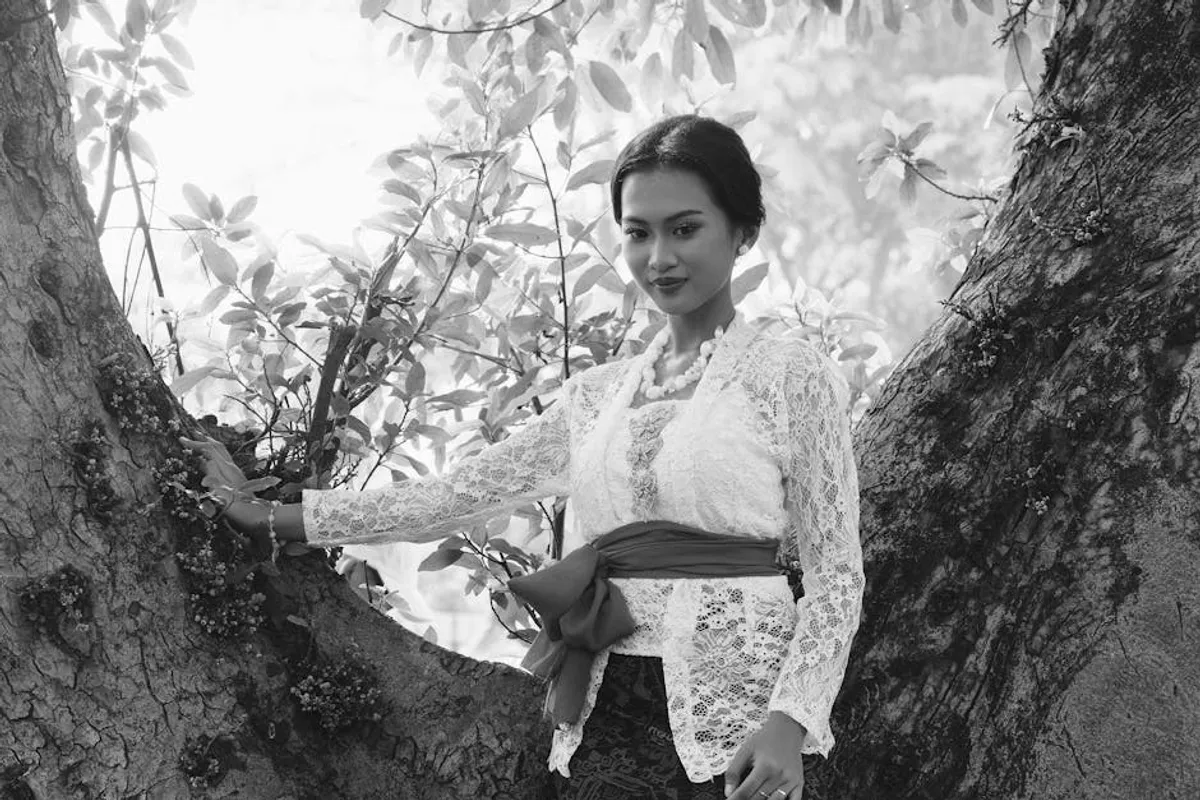
Understanding the evolving landscape of fashion trends, particularly in culturally significant attire like the kebaya, is crucial for designers, retailers, and content strategists. The 2025 color trends for kebaya are not merely aesthetic preferences; they represent shifts in consumer sentiment, environmental consciousness, and a desire for both comfort and elegance. For businesses operating in this niche, identifying and integrating these color trends early can significantly impact product development cycles, marketing campaigns, and ultimately, market share. This guide outlines the forecasted color palettes, offers practical styling advice, and provides inspiration to ensure your offerings resonate with the discerning 2025 kebaya wearer.
Understanding the 2025 Kebaya Color Palette
The 2025 kebaya color palette reflects a blend of traditional reverence and modern interpretation. Influences range from global textile innovations to a renewed appreciation for natural dyes and sustainable practices. Brands and creators who align their product lines and content with these foundational shifts will capture the attention of a market increasingly prioritizing thoughtful consumption.
Core Influences Shaping Color Choices
Several macro trends are dictating the dominant hues for 2025. A significant push towards 'quiet luxury' translates into sophisticated, muted tones that exude understated elegance rather than overt opulence. Simultaneously, a global focus on environmental stewardship introduces earthy, organic shades. Digital influences, particularly the aesthetics prevalent on platforms like Pinterest and Instagram, also drive demand for specific vibrant accents that photograph well and convey a sense of curated individuality. This dual focus on serene sophistication and digital vibrancy creates a diverse yet cohesive color story for the upcoming year.
Key Color Families for the Upcoming Season
The 2025 season will see several distinct color families emerge as frontrunners for kebaya designs:
- Earthy Neutrals: Shades like terracotta, sage green, sandy beige, and muted olive dominate. These colors offer versatility and a grounding effect, appealing to those seeking timeless elegance and connection to nature. They are particularly strong for daytime events and casual-chic adaptations.
- Deep Jewels: Rich, saturated tones such as sapphire blue, emerald green, amethyst purple, and ruby red will make a strong statement. These colors are ideal for formal occasions, evening wear, and bridal kebayas, conveying luxury and depth.
- Soft Pastels: Delicate lavender, powder blue, mint green, and blush pink provide a gentle, romantic alternative. They are gaining traction for younger demographics and spring/summer collections, offering a fresh and ethereal aesthetic.
- Warm Metallics: Gold, bronze, and rose gold accents, either as primary colors in fabric or as intricate embellishments, will continue to signify prestige and celebration. These are often paired with deep jewel tones or rich neutrals to add a touch of glamour.
Style Guide: Integrating Trend Colors into Kebaya Designs
Successfully incorporating 2025's trending colors into kebaya designs requires an understanding of how these hues interact and how they can be applied to different styles and occasions. Strategic color use can elevate a design from merely fashionable to truly iconic.
Monochromatic Elegance
Utilizing a single color in varying shades and textures creates a sophisticated, cohesive look. For example, a kebaya in a deep sapphire blue paired with a lighter periwinkle inner layer and intricate embroidery in a slightly darker navy offers depth without visual clutter. This approach emphasizes the silhouette and fabric quality, making it a powerful choice for formal events where understated luxury is desired.
Harmonious Color Blocking
The 2025 trends lean towards subtle, harmonious color blocking rather than stark contrasts. Consider pairing a sage green kebaya with a sandy beige skirt, or a terracotta top with a muted olive bottom. The key is to select colors from complementary families or different saturation levels within the same family. This technique allows for creative expression while maintaining an elegant and refined appearance, suitable for semi-formal gatherings or contemporary office wear. This approach to harmonious color blocking can also be seen in other fashion contexts, offering a versatile aesthetic.
Subtle Accents and Embellishments
For those hesitant to commit to a full trend color, integrating these hues through accents is an effective strategy. Embroidery, beading, or lace details in a trending metallic gold or a vibrant emerald can transform a classic neutral kebaya. Similarly, inner layers (kamisol) in a soft pastel or a deep jewel tone can provide a pop of color that is both fashionable and easily interchangeable, extending the versatility of a core kebaya piece.
Pro Tip: When forecasting kebaya color trends for inventory or design cycles, prioritize shades that offer versatility across multiple occasions. This reduces dead stock risk and broadens market appeal, ensuring a higher return on investment for new collections.
Trend Spotting: Identifying Emerging Kebaya Color Combinations
Beyond individual colors, specific combinations will define the 2025 kebaya aesthetic. These pairings offer fresh perspectives and cater to diverse style preferences:
- Sage Green & Terracotta: A grounded, organic pairing that evokes natural landscapes. Ideal for outdoor events or those seeking an earthy, sophisticated vibe.
- Sapphire Blue & Rose Gold: A luxurious and regal combination. The deep blue provides a rich base, while rose gold adds a warm, contemporary sparkle, perfect for formal evening wear.
- Lavender & Mint Green: A fresh and ethereal duo, particularly popular for spring collections or younger wearers. This combination exudes softness and modern romanticism.
- Muted Olive & Bronze: A sophisticated, understated pairing with an antique feel. Excellent for those who appreciate classic elegance with a touch of warmth.
- Sandy Beige & Emerald Green: The neutral beige provides a calming canvas for the vibrant, opulent emerald, creating a balanced yet striking look.
Inspiration for Modern Kebaya Wearers
The application of 2025's color trends extends across the spectrum of kebaya use, from grand celebrations to daily wear. Understanding these applications helps in tailoring collections and content to specific consumer needs.
Bridal and Formal Events
For bridal kebayas, the trend leans towards soft pastels like powder blue and blush pink for a delicate, modern look, or deep jewel tones such as sapphire and emerald for a more traditional, opulent statement. Metallic gold and silver embroidery remain paramount for adding celebratory grandeur. For other formal events, monochromatic deep jewel tones or elegant color blocking with earthy neutrals offer refined choices that stand out without being ostentatious.
Casual and Contemporary Settings
The casual kebaya sector will embrace earthy neutrals and soft pastels, often in lighter fabrics like cotton or linen. A sage green kebaya with simple embroidery, paired with modern trousers or a flowing skirt, exemplifies contemporary ease. The focus here is on comfort, practicality, and subtle integration of trend colors that can transition seamlessly from day to evening, reflecting a more relaxed approach to traditional attire.
Capitalizing on 2025 Kebaya Color Trends
For businesses, staying ahead of the 2025 kebaya color trends is a strategic imperative. This involves more than just selecting new fabric swatches; it requires a holistic approach to design, manufacturing, marketing, and content creation. Integrate these palettes into your next collection, develop targeted campaigns showcasing these colors, and create educational content that guides consumers on how to style and combine them. By anticipating and responding to these shifts, you position your brand as an authority and a preferred choice in the dynamic kebaya market.
Frequently Asked Questions
What are the dominant color themes for 2025 kebaya?
The dominant themes for 2025 kebaya include earthy neutrals like terracotta and sage green, deep jewel tones such as sapphire and emerald, and soft pastels like lavender and blush pink, often accented with warm metallics.
How can I incorporate these trends without overhauling my entire wardrobe or collection?
You can integrate trends subtly through accessories, inner layers (kamisol), or by choosing kebaya pieces with embroidery or embellishments in the trending colors. Focus on versatile core pieces in neutral tones that can be updated with fashionable accents.
Are there any colors to avoid in 2025 kebaya designs?
While no colors are strictly "forbidden," overly bright, neon, or highly artificial shades may feel less aligned with the prevailing 2025 trends favoring natural, sophisticated, and muted palettes. Focus on depth and harmony over stark, jarring contrasts.
How do global fashion trends influence kebaya colors?
Global fashion trends, including movements towards sustainability, quiet luxury, and digital aesthetics, significantly influence kebaya colors by promoting earthy tones, sophisticated muted palettes, and vibrant yet harmonized accent colors that resonate with broader consumer preferences.